- Stock
-
Plants
Climbing plants
- Piante di Edera
- Piante di Bouganvillea
- Piante di Gelsomino
- Piante di Aristolochia
- Piante di Bignonia
- Piante di Glicine
- Piante di Passiflora
- Piante di Lonicera
- Piante di Pandorea
- Pianta Di Handerbergia
- Piante di Mansoa Allicea
- Piante Di Pereskia
- Piante di Thunbergia
- Piante di Ampelopsis
- Piante Di Solanum Jasminoides
Aromatic plants- Piante Di Menta
- Piante Di Lavanda
- Piante Di Rosmarino
- Piante Di Elicriso
- Piante Di Santolina
- Finocchietto Selvatico
- Piante Di Incenso
- Piante Di Origano
- Piante Di Timo
- Piante Di Maggiorana
- Piante Di Melissa
- Piante Di Goji
- Piante Di Stevia
- Piante Di Salvia
- Piante Di Basilico
- Piante Di Prezzemolo
- Piante Di Rucola Selvatica
- Piante Di Citronella O Lippia Citridora
- Piante Di Fragola
Piante Tappezzanti- Piante di Muehlenbeckia
- Piante di Verbena
- Piante di Drosanthemum
- Piante di Lantana Sellowiana
- Piante di Vinca
- Piante di Ceanothus
- Piante di Cotoneaster
- Piante di Polygonium
- Piante di Lippia
- Piante di Ficus repens
- Piante di Armeria
- Piante di Ajuga
- Pianta di Russelia
- Piante di Ceratostigma
- Piante Di Erigeron
- Piante di Cerastium
Hedge Plants- Pianta Alloro
- Piante di Lauroceraso
- Piante di Photinia
- Piante di Viburno
- Piante di Buxus
- Piante di Eugenia
- Piante di Euonymus
- Piante di Ligustro
- Piante di Pitosforo
- Piante di Crataegus
- Piante di Oleandro
- Piante di Atriplex
- Piante Di Berberis
- Pianta Di Osmanthus
- Pianta Di Philliyrea
- Pianta di Lentisco
- Pianta di Cuoressus
- Pianta Di Myrsine Africana
- Pianta Ortensia
- Pianta di Eleagnus
- Piante Di Solanum Rantonnetii
-
Bush Plants
- Green Plants
- Trees
- Succulent
-
Seeds
Vegetable Seeds
- Semi Di Anguria
- Semi Di Cardo
- Semi Di Carosello
- Semi Di Carota
- Semi Di Cavolo
- Semi Di Cetriolo
- Semi Di Cicoria e Radicchio
- Semi Di Cima Di Rapa
- Semi DI Cipolla
- Semi Di Melanzana
- Semi Di Melone
- Semi Di Peperoncino
- Semi Di Peperone
- Semi Di Bietola
- Semi Di Carciofo
- Semi di Pomodoro
- Semi Di Ravanello
- Semi Di Scarola
- Semi Di Zucchina
- Semi Di Zucca
- Carnivorous
- Bonsai
- Marriage
- Seasonal Plants
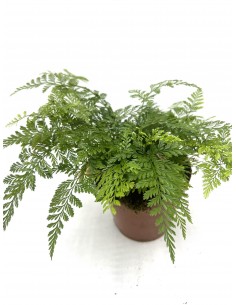
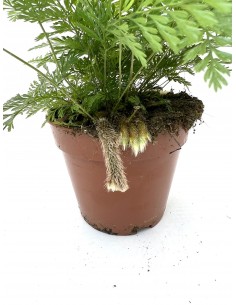
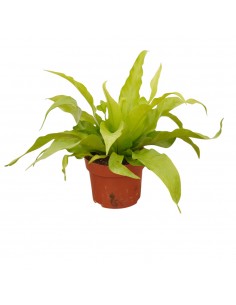
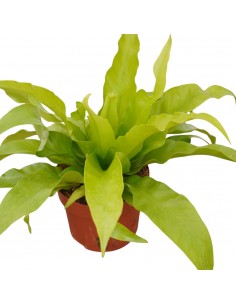
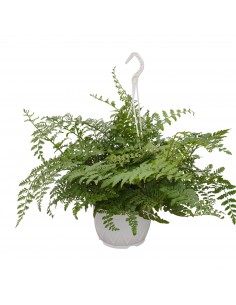
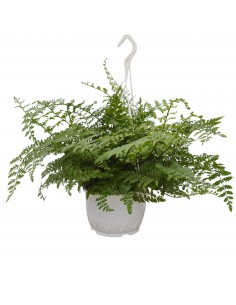
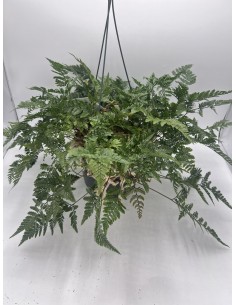
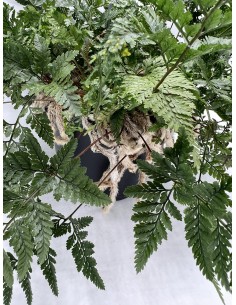
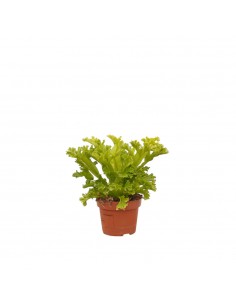
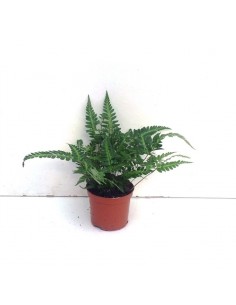
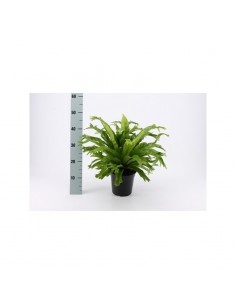
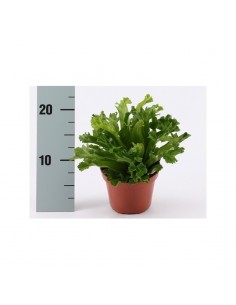
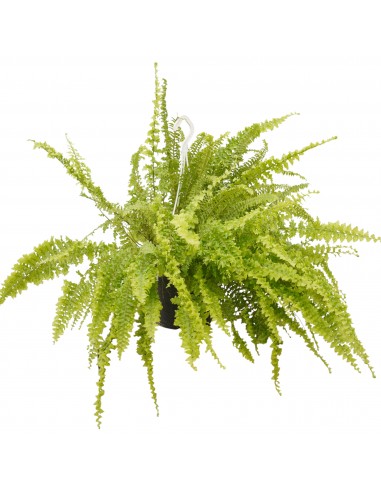
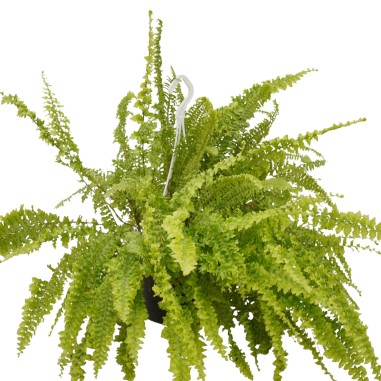
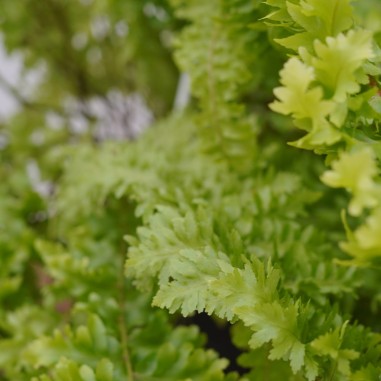
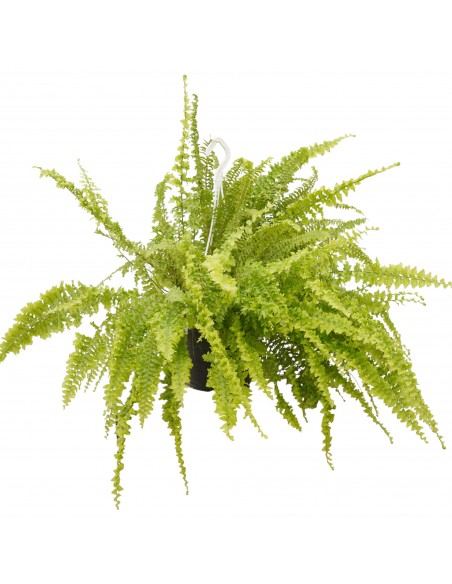
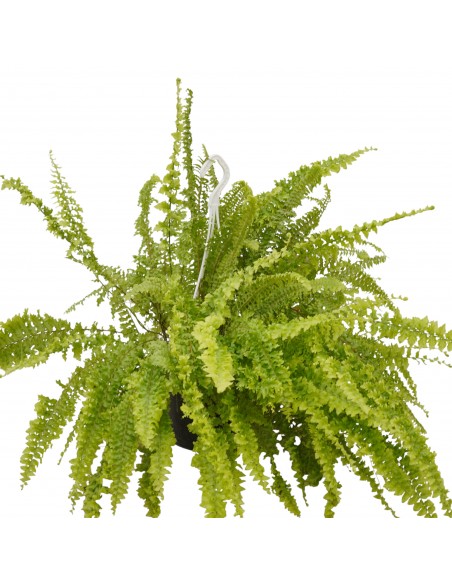
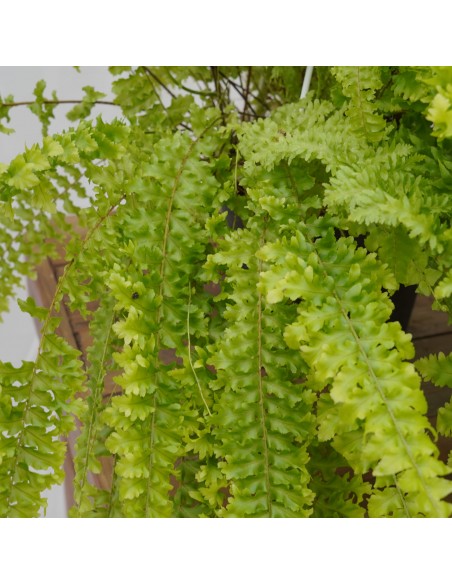
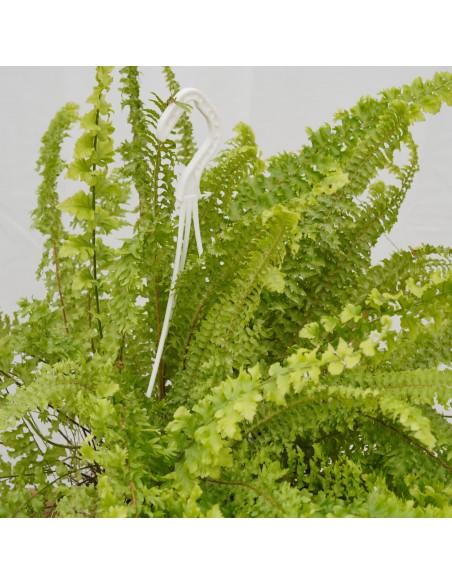
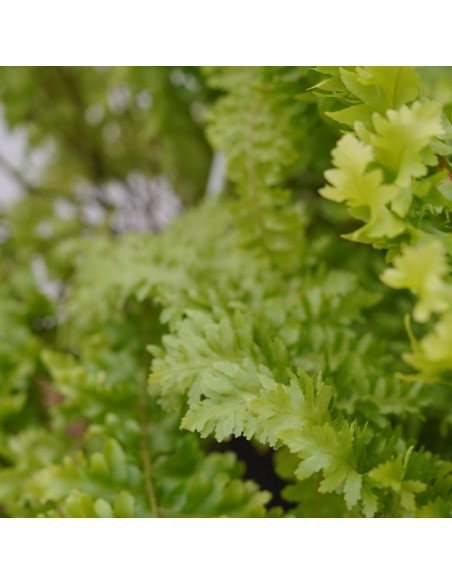
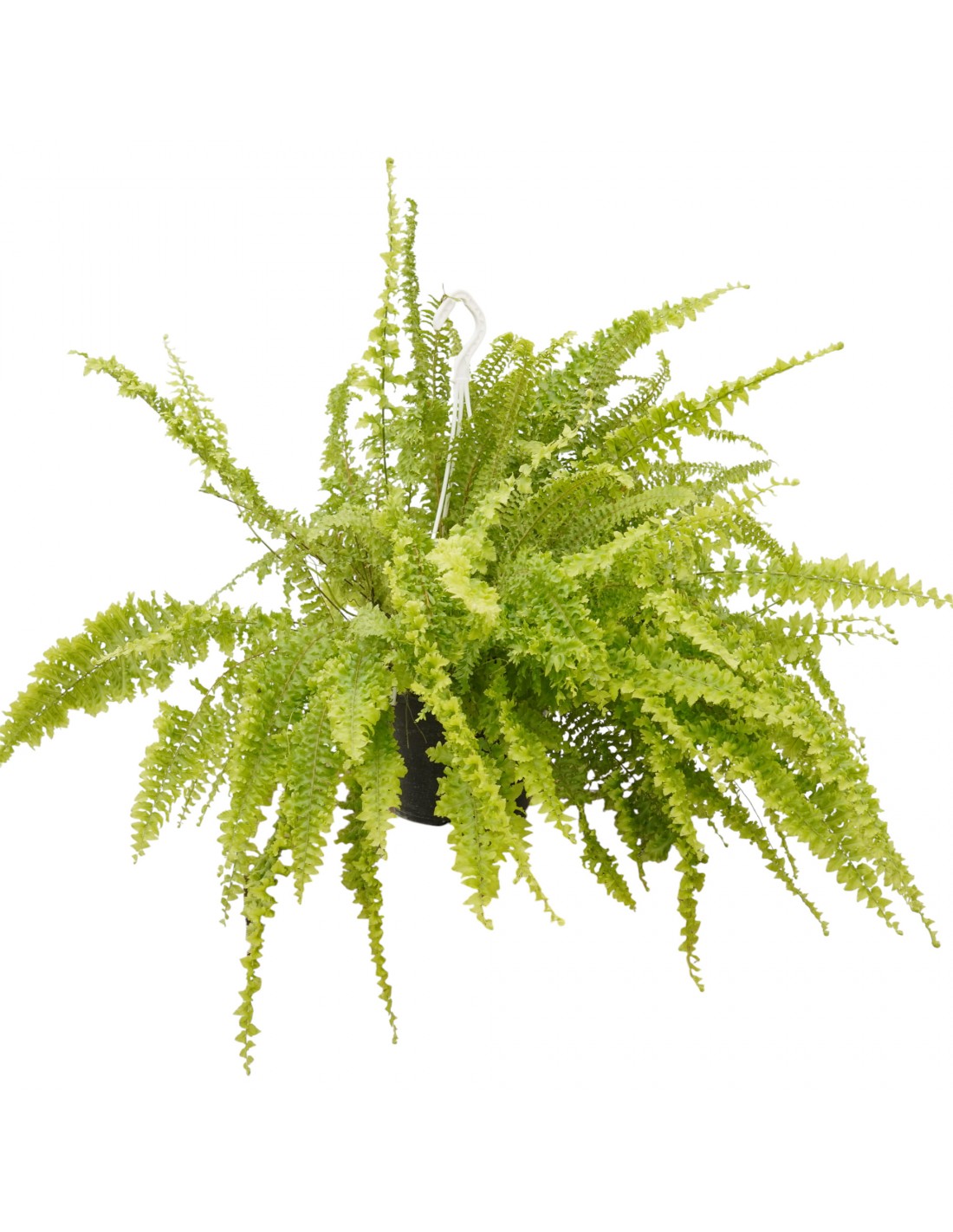
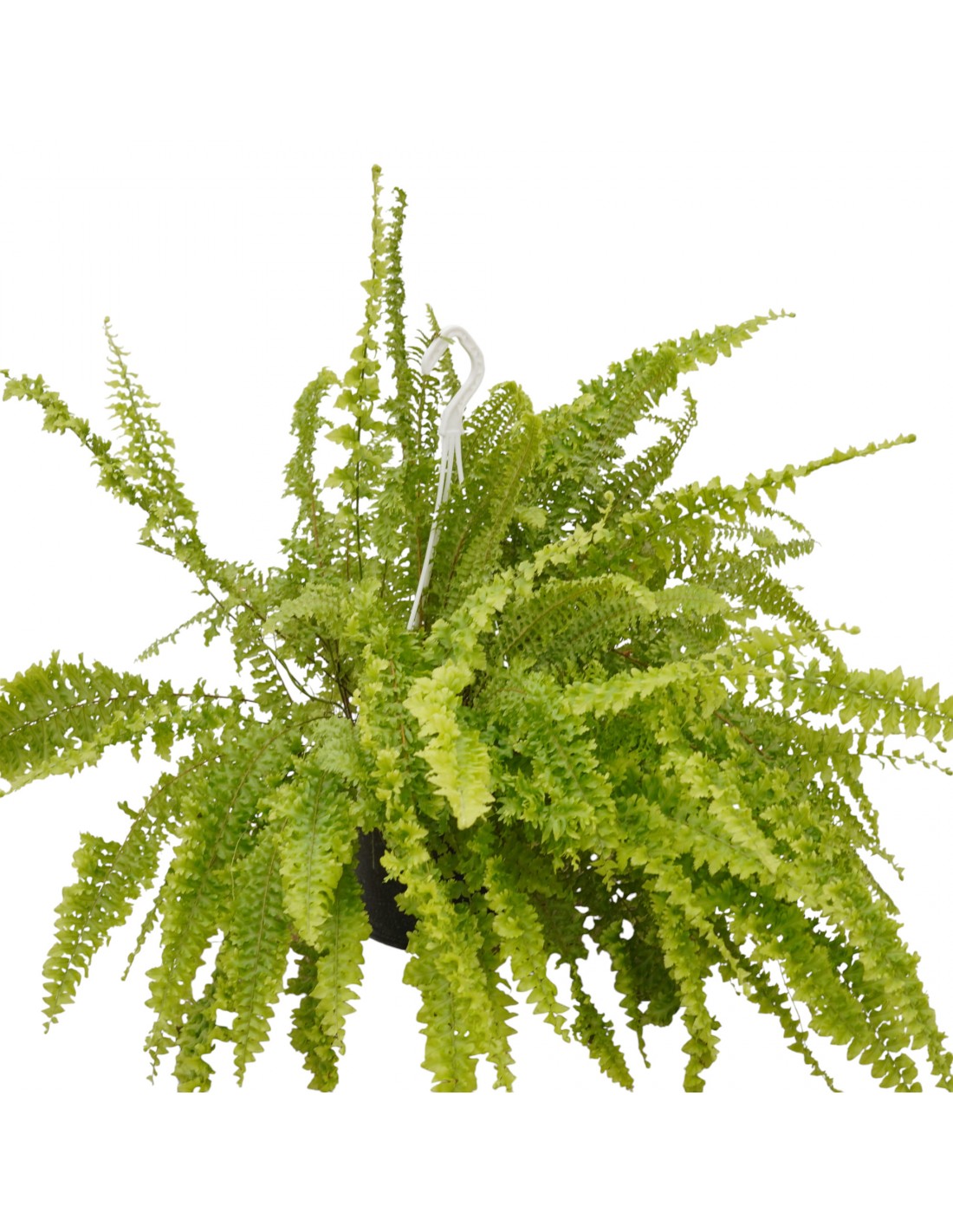
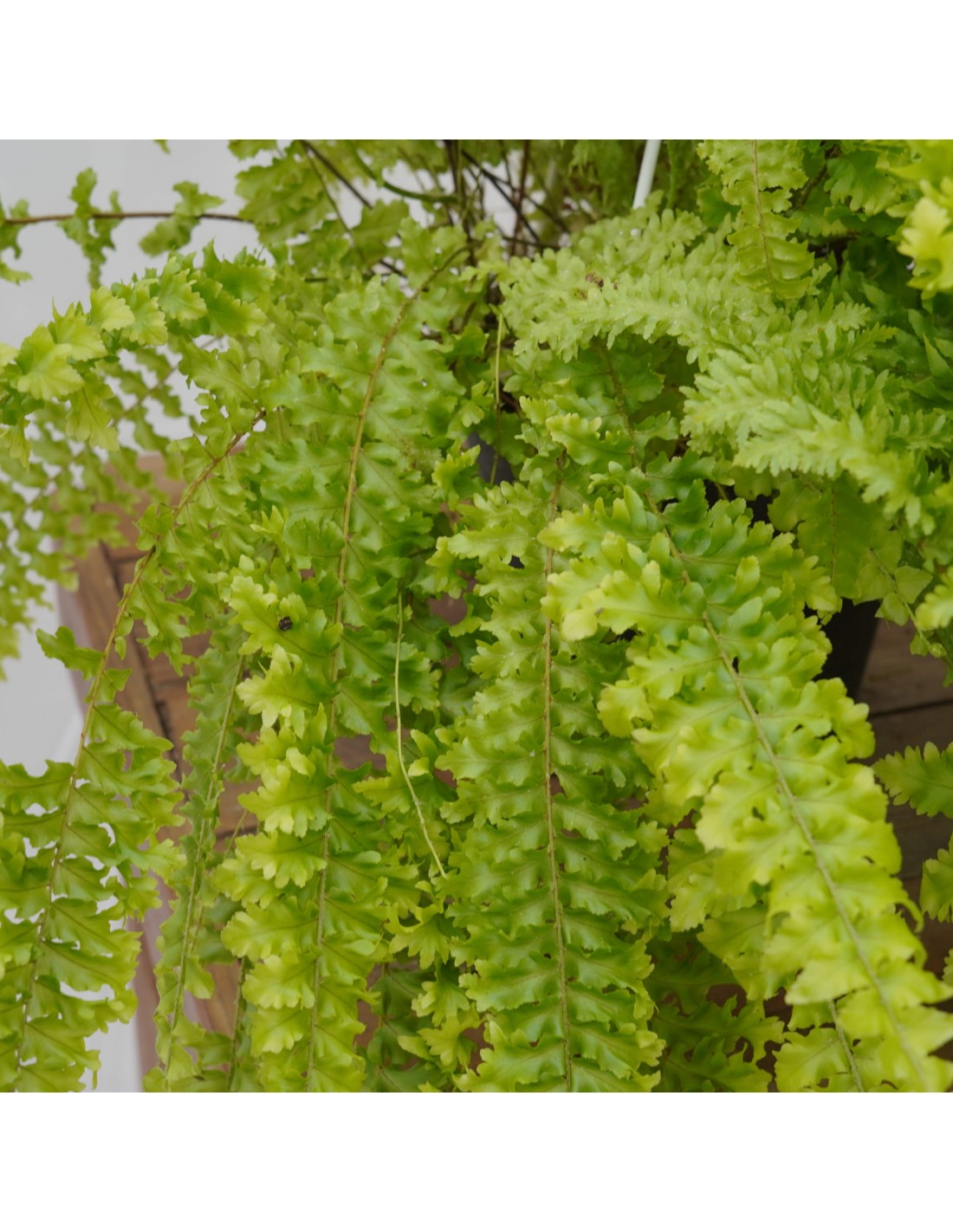
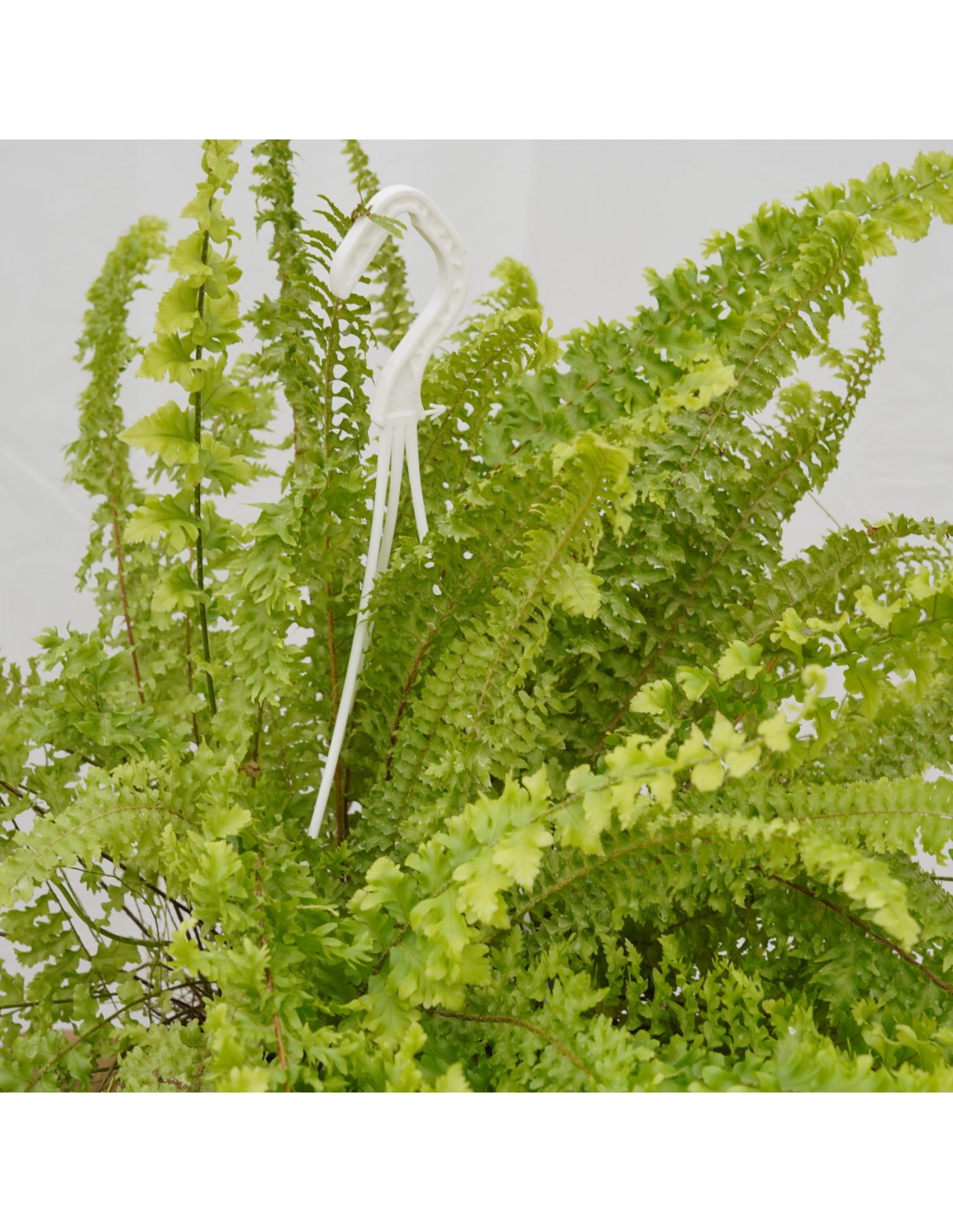
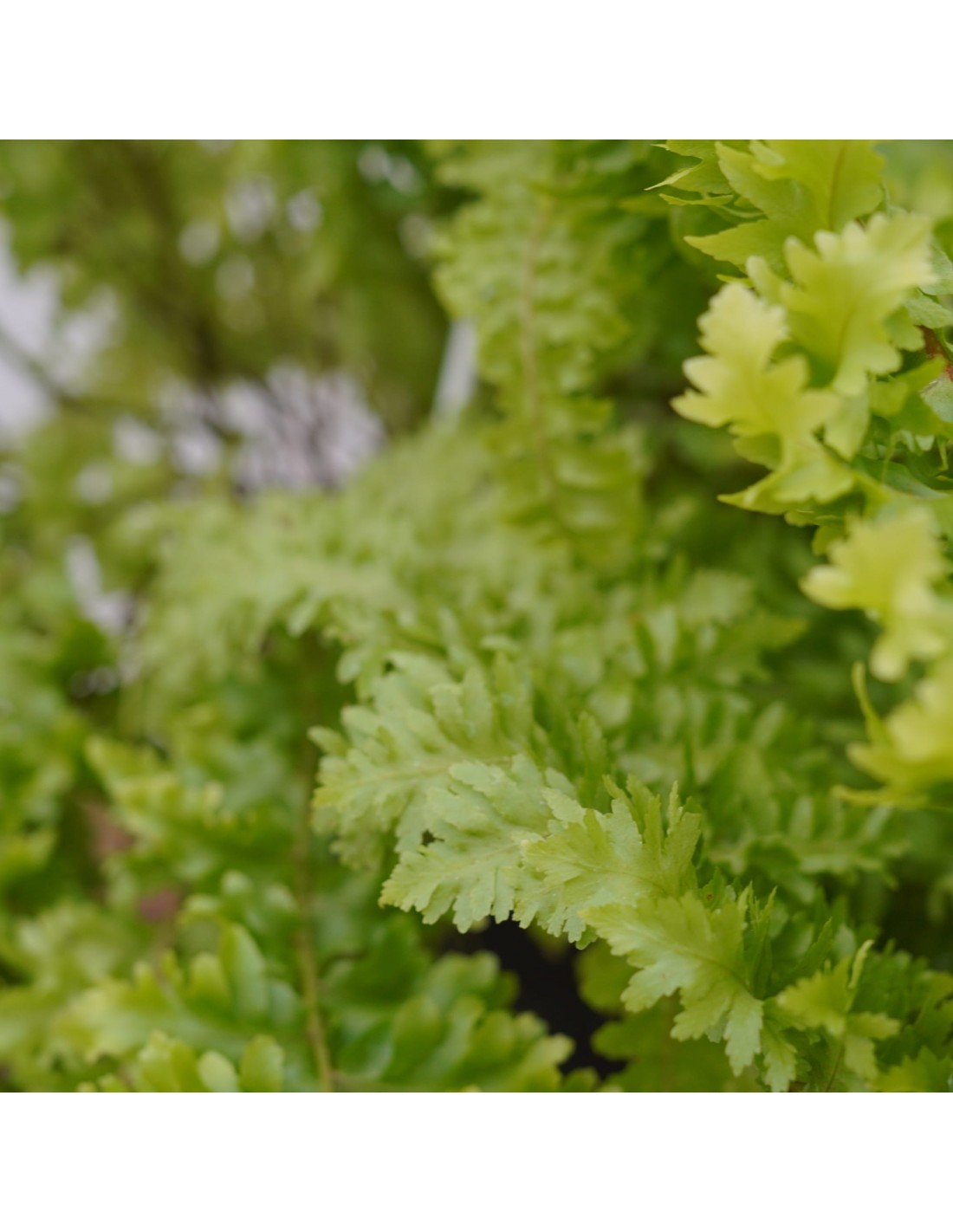
copy of Dryopteris erythrosora plant
Generality of the Dryopteris plant:
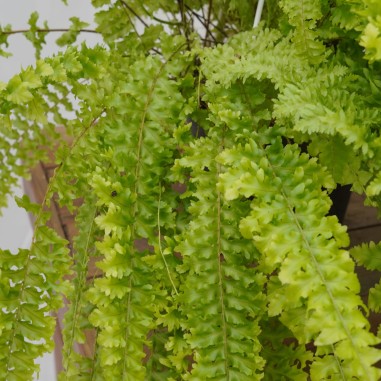
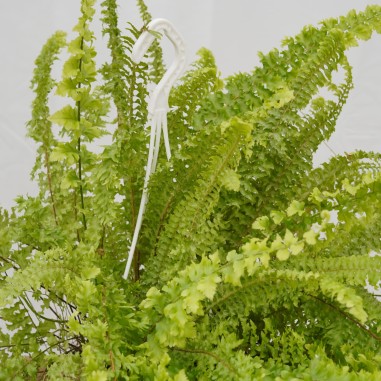
A small fern present in the northern hemisphere, it lives in humid and cool woods: for this reason, marketed as a decorative plant for interiors, it needs to live in cool rooms in both summer and winter, with medium brightness and high humidity. There are numerous varieties; the "Ghost" has foliage with a curious blue tint.
- jar 12cm, height 30cm
VALUE PROPOSITION - DESKTOP
INFORMAZIONI
per L'ACQUISTO
10% Sconto BenvenutoIsciviti alla newsletter per ottenere uno sconto del 10% sul primo ordine
Servizio clienti Lun/Ven: 9:00/14:00 | Sab 09:00/12:30WhatsApp: +39 389 48 33 785
Customers who bought this product also bought:
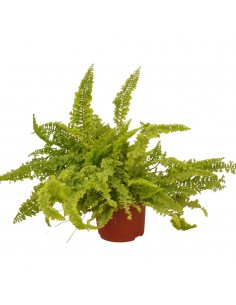
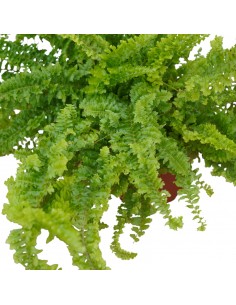
Sale Dryopteris plant, available in the following formats:
- jar 12cm, height 30cm
Generality of the Dryopteris plant:
The term Athyrium filix - femina refers to a group of evergreen or deciduous ferns, native to Europe, Asia and North America; most of them tolerate the cold winter, but they can also be grown in pots at home. It produces a large tuft of fronds, from 40 to 90 cm high, each of them is a single compound leaf, devoid of ramifications. The stems are light brown in color, which contrasts with the color of the leaves.
The leaves are composed, triangular, made up of very numerous finely divided leaflets, of various colors depending on the species, of ever smaller size starting from the base of the stem up to the apex; A. filix-femina has light green foliage, there are cultivars with yellowish-green leaves; A. nipponicum has very dark leaves, which tend to silver-gray, there are cultivars with foliage tending to dark purple, also veriegate. These ferns are very suitable in shady gardens, where they can also be used as ground cover.
Dryopteris Plant Care and Cultivation:
Athyrium filix - femina plants, also known as female ferns, are very rustic and resistant and have no particular problems in the cold season. For the best possible exposure, plant them in a shady or semi-shady place; a few hours of morning light can greatly improve the color of variegated leaf cultivars; generally they do not fear the cold, but sometimes they can be damaged by the wind, so it is advisable to choose a sheltered position, for example against a wall or at the foot of trees or shrubs.
Most of the species have deciduous leaves, so in winter it goes into vegetative rest, in case of very cold temperatures it is possible that the aerial part dries up completely, to reappear in spring. regular watering, but fear water stagnation; it is therefore advisable to keep the soil slightly moist, avoiding excesses, especially as regards specimens grown in containers. Check that the substrate remains moist, without exceeding because the stagnation of water harm the plant.
In autumn and early spring, bury organic fertilizer or slow release granular fertilizer for green plants at the foot of the plant. Female fern plants particularly love soils with an acid tendency, loose, well drained and rich in humus; grow in a substrate consisting of two parts of peat, two parts of leaf soil and one part of sand. Being rustic plants, female fern plants can also be buried in soils with different conditions, in this case the plant will have a lesser development.

16 other products in the same category:
VALUE PROPOSITION - MOBILE
Product Reviews / Q&A
Average rating
-
Reviews (0)
- All reviews (0)
- Excellent (0)
- Good (0)
- Medium (0)
- Poor (0)
- Terrible (0)
-
Questions & Answers (0)
-
Latest
- Latest
- Oldest
- High rating
- Low rating
- Helpful
-
Latest
- Latest
- Oldest
- Helpful
There are no available reviews. Write your review.
There are no available questions. Ask your question.