- Stock
-
Plants
Climbing plants
- Piante di Edera
- Piante di Bouganvillea
- Piante di Gelsomino
- Piante di Aristolochia
- Piante di Bignonia
- Piante di Glicine
- Piante di Passiflora
- Piante di Lonicera
- Piante di Pandorea
- Pianta Di Handerbergia
- Piante di Mansoa Allicea
- Piante Di Pereskia
- Piante di Thunbergia
- Piante di Ampelopsis
- Piante Di Solanum Jasminoides
Aromatic plants- Piante Di Menta
- Piante Di Lavanda
- Piante Di Rosmarino
- Piante Di Elicriso
- Piante Di Santolina
- Finocchietto Selvatico
- Piante Di Incenso
- Piante Di Origano
- Piante Di Timo
- Piante Di Maggiorana
- Piante Di Melissa
- Piante Di Goji
- Piante Di Stevia
- Piante Di Salvia
- Piante Di Basilico
- Piante Di Prezzemolo
- Piante Di Rucola Selvatica
- Piante Di Citronella O Lippia Citridora
- Piante Di Fragola
Piante Tappezzanti- Piante di Muehlenbeckia
- Piante di Verbena
- Piante di Drosanthemum
- Piante di Lantana Sellowiana
- Piante di Vinca
- Piante di Ceanothus
- Piante di Cotoneaster
- Piante di Polygonium
- Piante di Lippia
- Piante di Ficus repens
- Piante di Armeria
- Piante di Ajuga
- Pianta di Russelia
- Piante di Ceratostigma
- Piante Di Erigeron
- Piante di Cerastium
Hedge Plants- Pianta Alloro
- Piante di Lauroceraso
- Piante di Photinia
- Piante di Viburno
- Piante di Buxus
- Piante di Eugenia
- Piante di Euonymus
- Piante di Ligustro
- Piante di Pitosforo
- Piante di Crataegus
- Piante di Oleandro
- Piante di Atriplex
- Piante Di Berberis
- Pianta Di Osmanthus
- Pianta Di Philliyrea
- Pianta di Lentisco
- Pianta di Cuoressus
- Pianta Di Myrsine Africana
- Pianta Ortensia
- Pianta di Eleagnus
- Piante Di Solanum Rantonnetii
-
Bush Plants
- Green Plants
- Trees
- Succulent
-
Seeds
Vegetable Seeds
- Semi Di Anguria
- Semi Di Cardo
- Semi Di Carosello
- Semi Di Carota
- Semi Di Cavolo
- Semi Di Cetriolo
- Semi Di Cicoria e Radicchio
- Semi Di Cima Di Rapa
- Semi DI Cipolla
- Semi Di Melanzana
- Semi Di Melone
- Semi Di Peperoncino
- Semi Di Peperone
- Semi Di Bietola
- Semi Di Carciofo
- Semi di Pomodoro
- Semi Di Ravanello
- Semi Di Scarola
- Semi Di Zucchina
- Semi Di Zucca
- Carnivorous
- Bonsai
- Marriage
- Seasonal Plants
Chorisia tree
Generalities Chorisia tree:
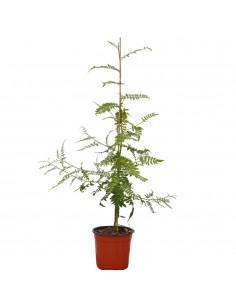
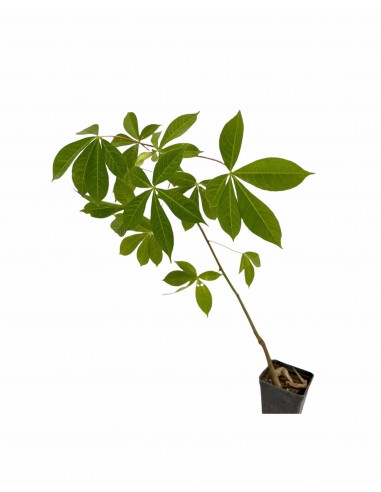
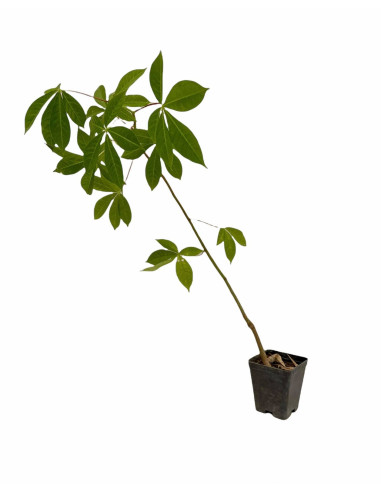
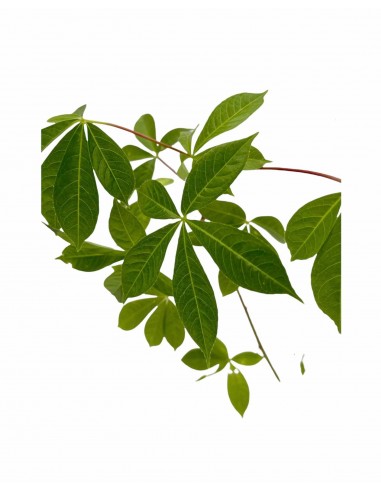
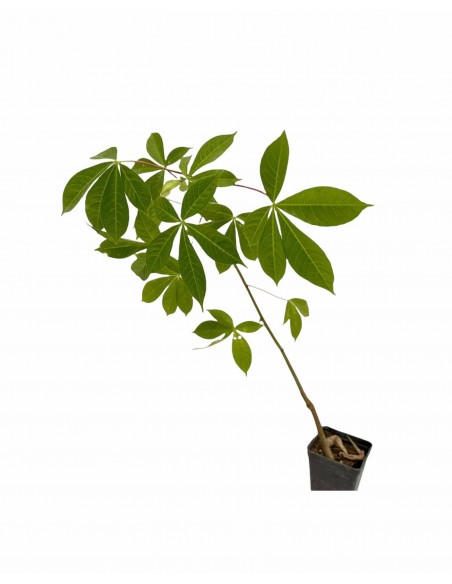
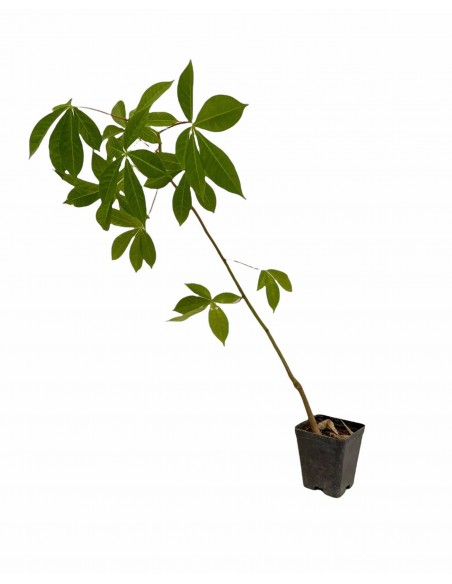
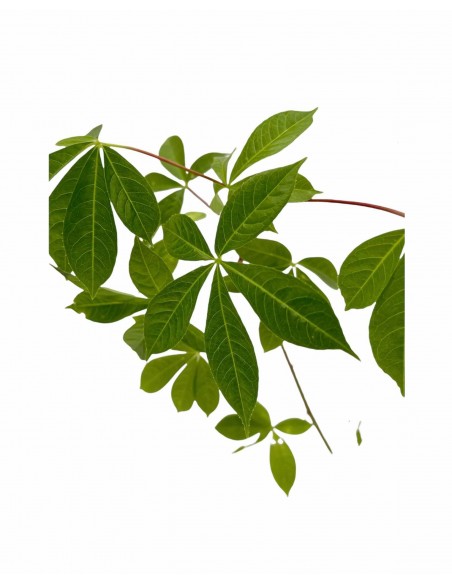
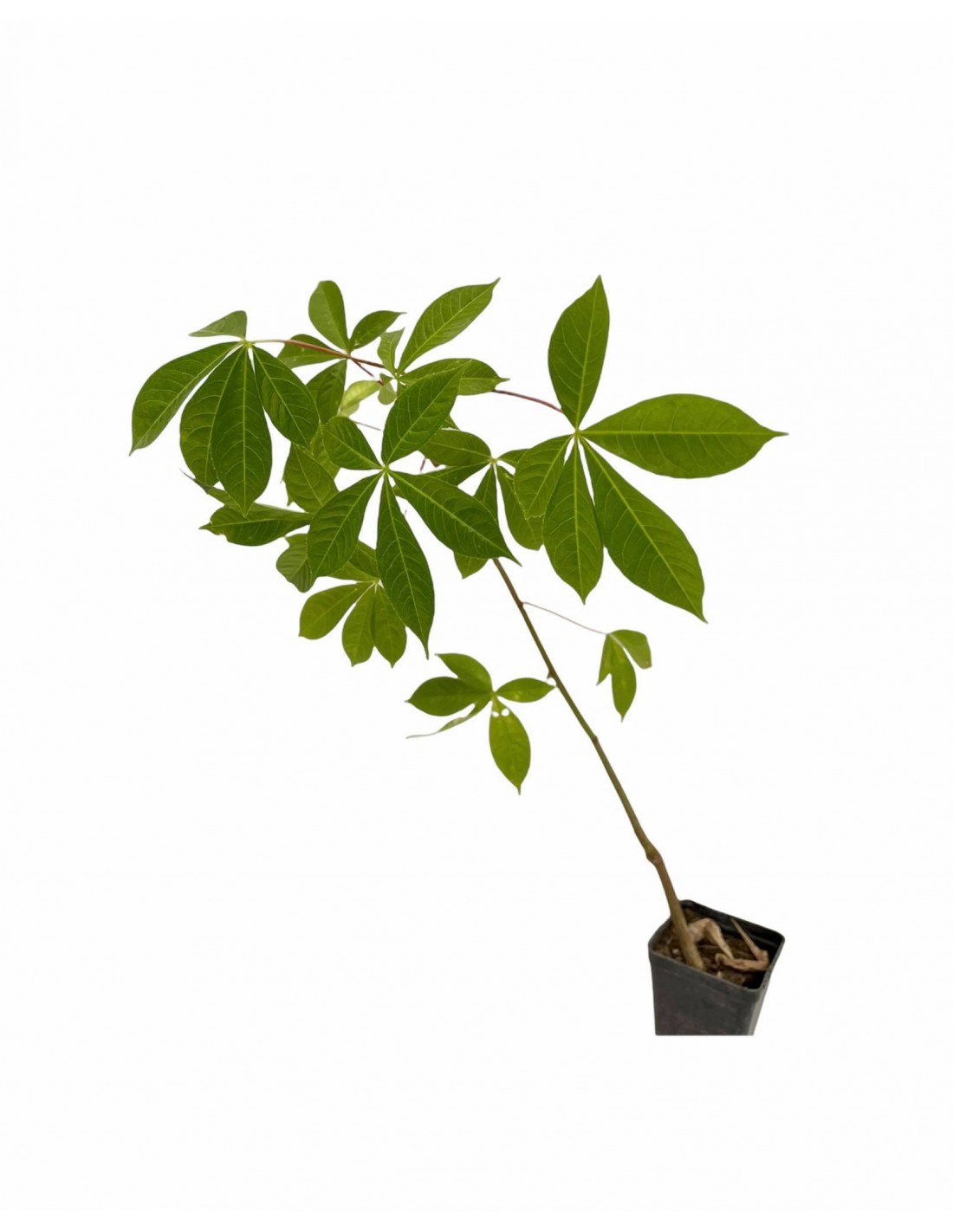
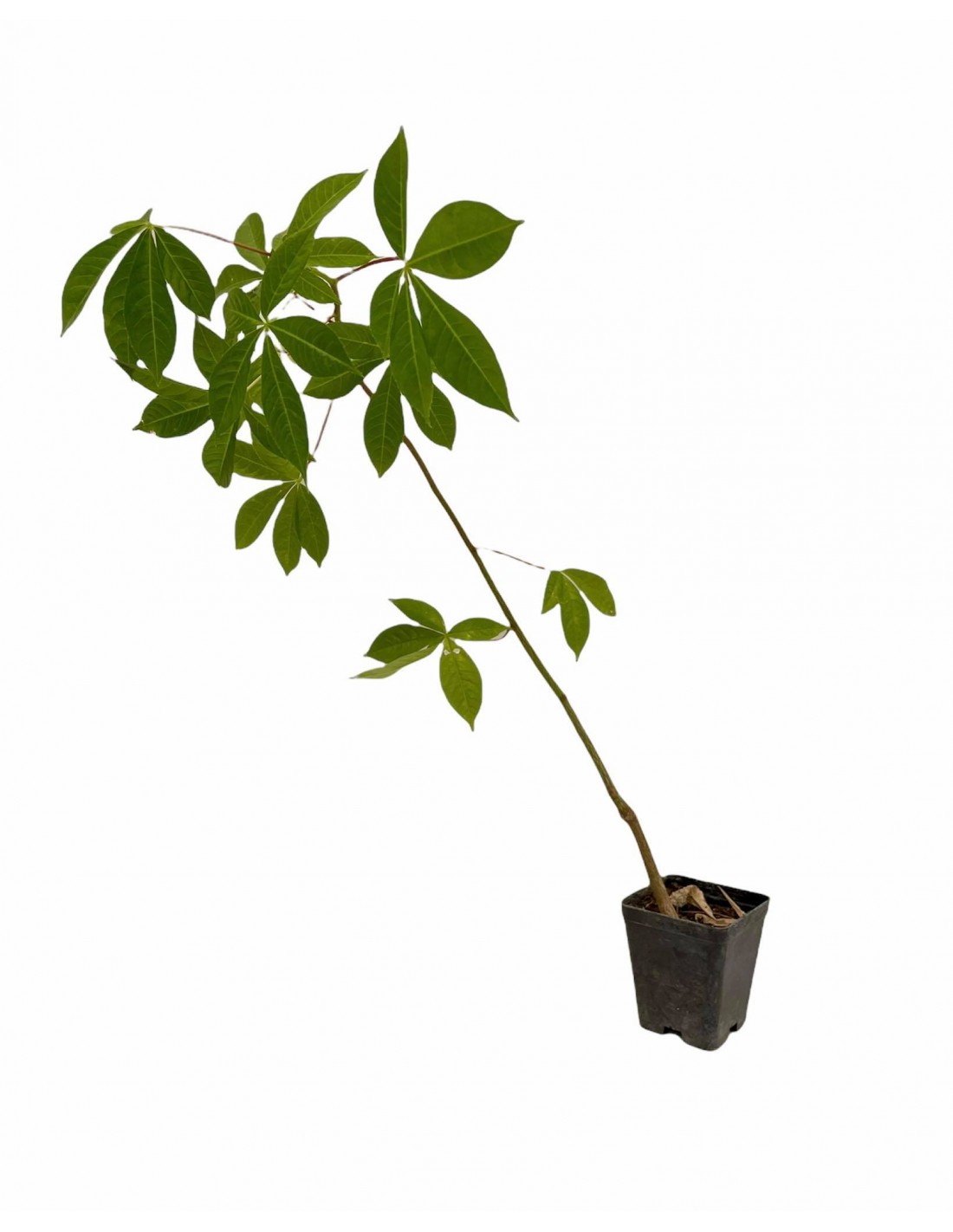
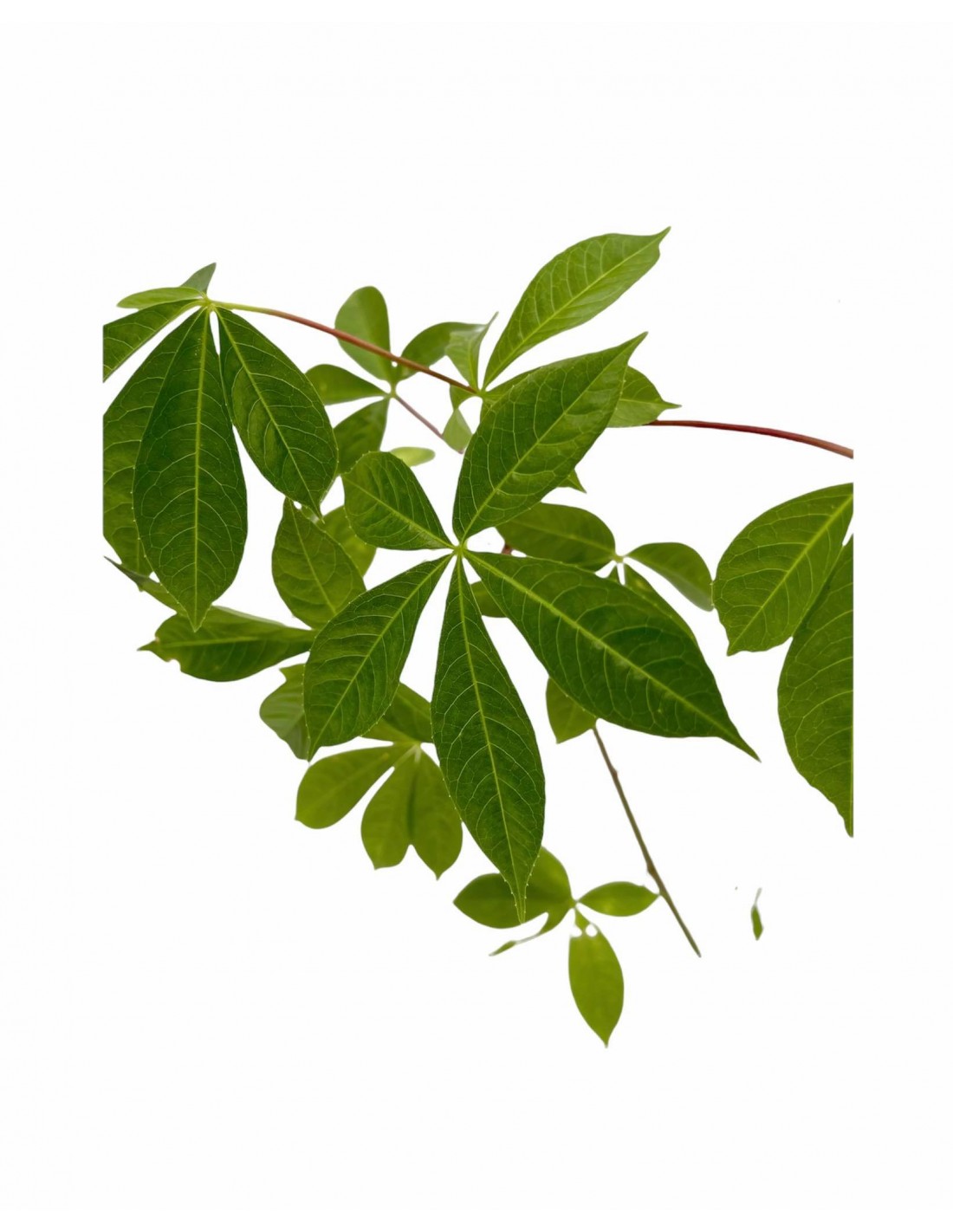
Chorisia speciosa is a tree of the Bombacaceae family (the same to which the baobab belongs) and immediately catches the attention for its trunk full of thorns. The trunk, just like that of the baobab tree, is swollen at the base and is covered with large conical thorns. In its natural habitat, Chorisia speciosa can reach and exceed a height of 20 meters. The tissues at the base of the stem swell to accumulate water to be used as a reserve in periods of drought.
Online Sale of Chorisia Tree, available in the following formats:
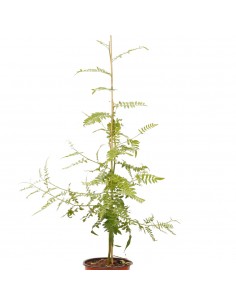
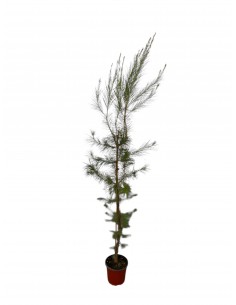
- Potted Tree Size: 160 / 180cm
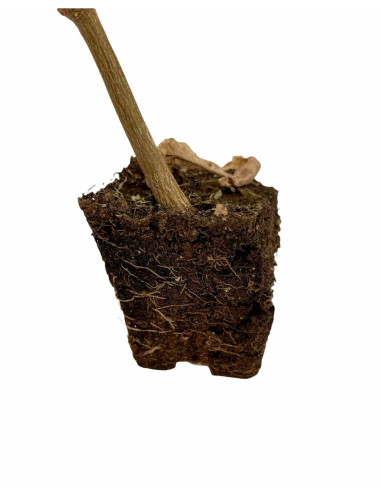
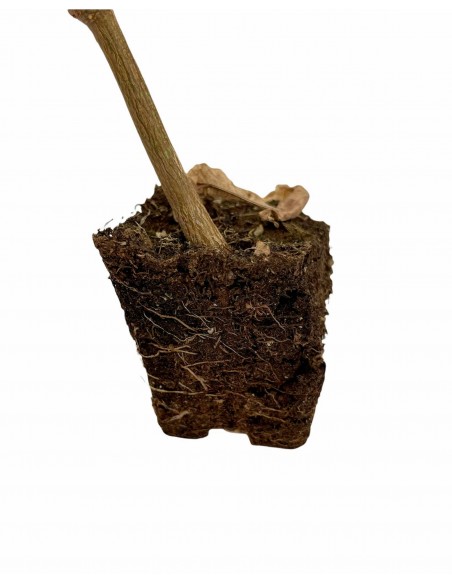
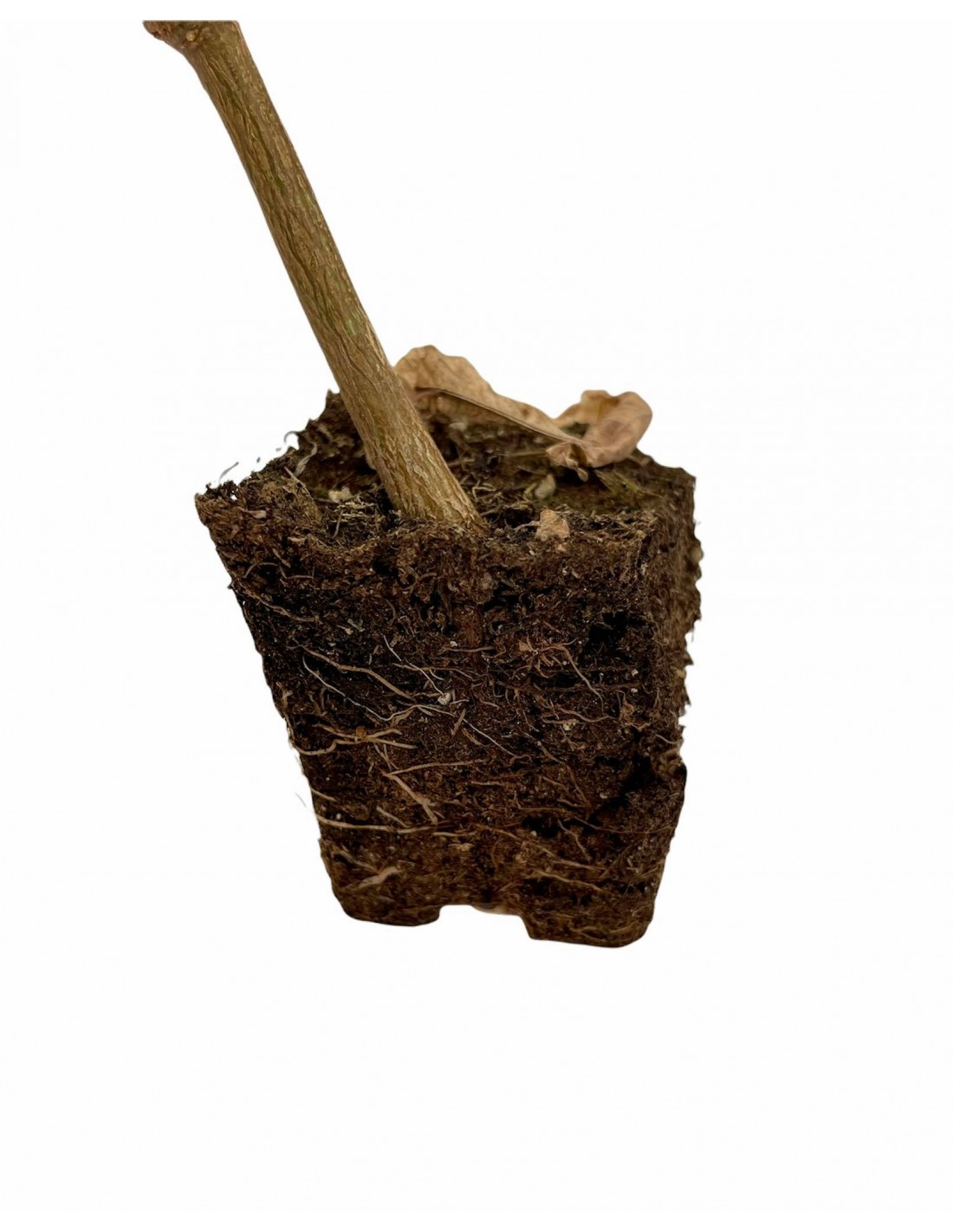
- jar 15x15x20cm erected on reed
VALUE PROPOSITION - DESKTOP
INFORMAZIONI
per L'ACQUISTO
10% Sconto BenvenutoIsciviti alla newsletter per ottenere uno sconto del 10% sul primo ordine
Servizio clienti Lun/Ven: 9:00/14:00 | Sab 09:00/12:30WhatsApp: +39 389 48 33 785
Customers who bought this product also bought:
Online Sale of Chorisia Tree, available in the following formats:
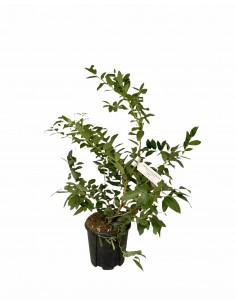
- Potted Tree Size: 160 / 180cm
- Vase 15x15x20cm erected on reed
Generalities Chorisia tree:
The species is present in Brazil, Paraguay and Argentina where it is known as the drunken tree (Palo borracho). It is grown in tropical and subtropical regions and was introduced in Italy at the end of the 19th century in the botanical garden of Palermo. From there it gradually spread as an ornamental plant for both private gardens and street furniture. Chorisia speciosa is grown mainly for ornamental purposes. Outside of private gardens, chorisia speciosa is grown for the use of its fruits and seeds which, in addition to being edible (therefore of interest to the food industry), enjoy good industrial interest. The wood of Chorisia speciosa is very light and white, it is used to replace cork or for the manufacture of light barrels.When the seed reaches full maturity, the fruit is formed. The fruit of the chorisia speciosa is an ovoid pod with a woolly appearance. It measures 20 cm in length and inside it collects the small seeds surrounded by a fibrous mass. The soft and white material that encloses the seeds is reminiscent of cotton or silk and finds various applications in the industrial field. The flowers are hermaphrodite, they are large and showy with pink or red petals. Chorisia speciosa, in its natural habitat, blooms between February and May, however the flowering period varies according to the geographical position: with the Mediterranean climate, chorisia speciosa blooms between October and November, so it is perfect for those who want a flower garden in Autumn.
Chorisia Tree Cultivation and Care:
Chorisia is a very light-demanding plant, so it should be planted in sunny areas for many hours a day. It fears low temperatures and harsh climate.
Soil: prefers deep, fertile soils rich in organic matter.
Watering: adult specimens are resistant to drought and are satisfied with rains; the young plants should be watered at least 2 times a week.
Fertilization: it must be fertilized with mature manure at the time of planting; until autumn, a slow release granular fertilizer can be administered to the base of the plant. In winter it is advisable to suspend the fertilizations.

16 other products in the same category:
VALUE PROPOSITION - MOBILE
Product Reviews / Q&A
Average rating
-
Reviews (0)
- All reviews (0)
- Excellent (0)
- Good (0)
- Medium (0)
- Poor (0)
- Terrible (0)
-
Questions & Answers (0)
-
Latest
- Latest
- Oldest
- High rating
- Low rating
- Helpful
-
Latest
- Latest
- Oldest
- Helpful
There are no available reviews. Write your review.
There are no available questions. Ask your question.