Shopping Cart

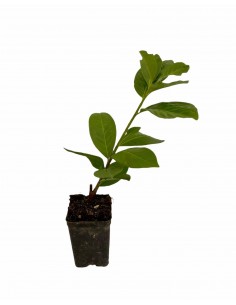
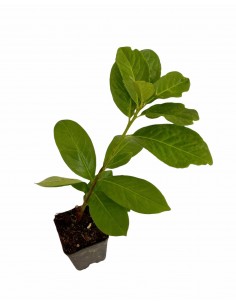
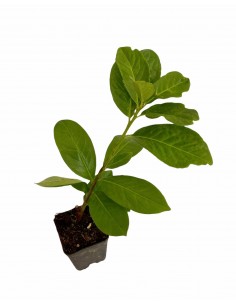
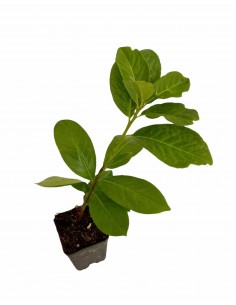
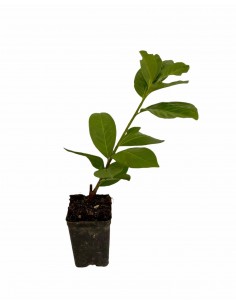
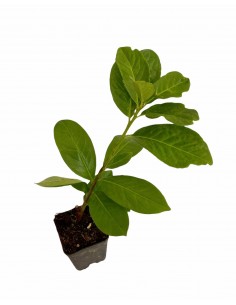
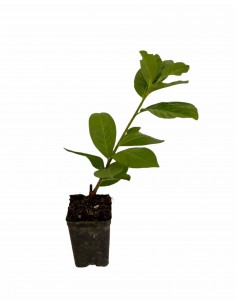
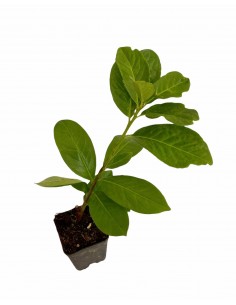
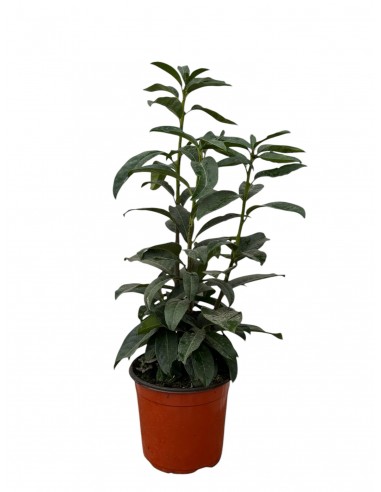
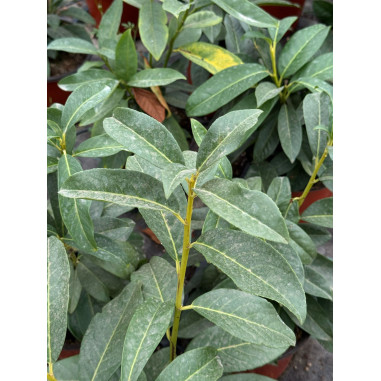
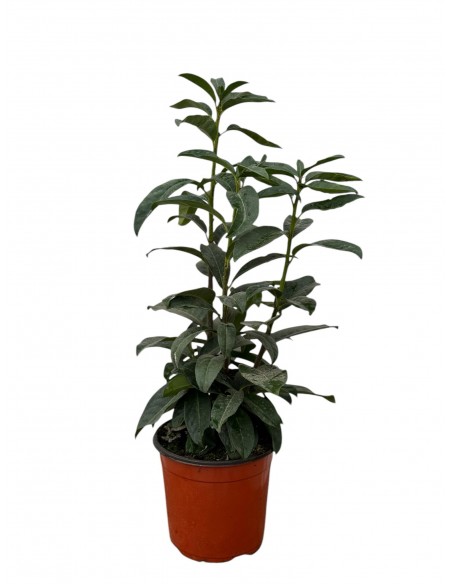
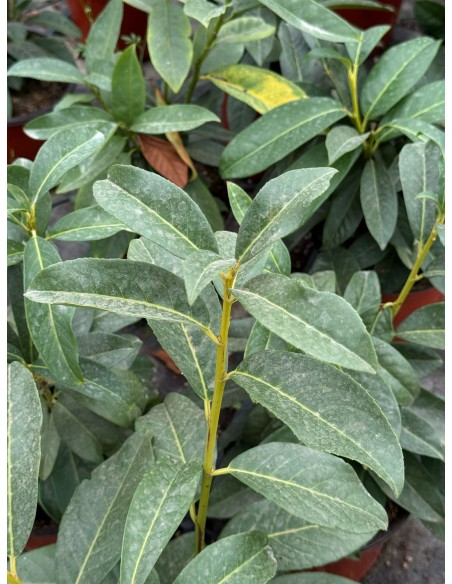
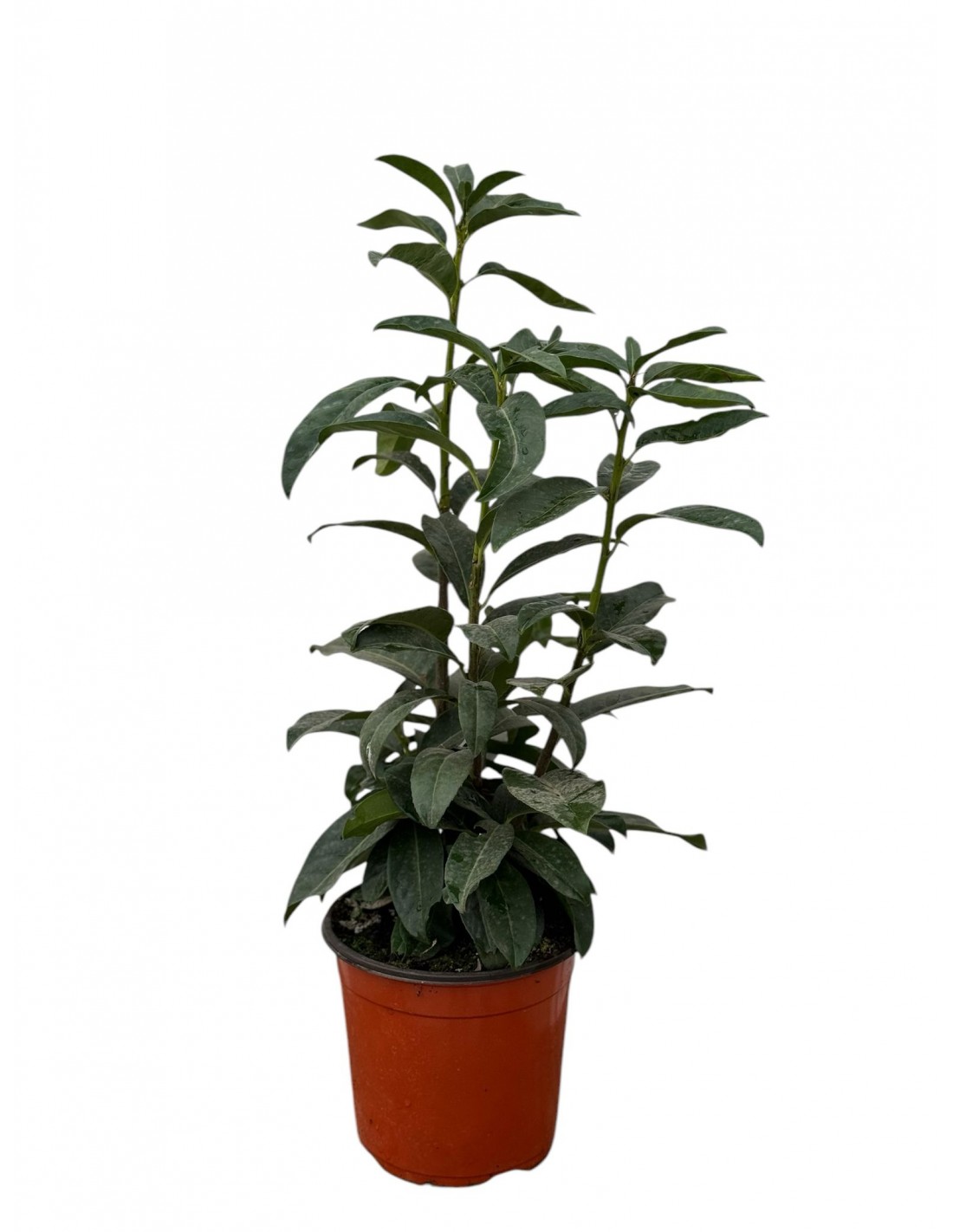
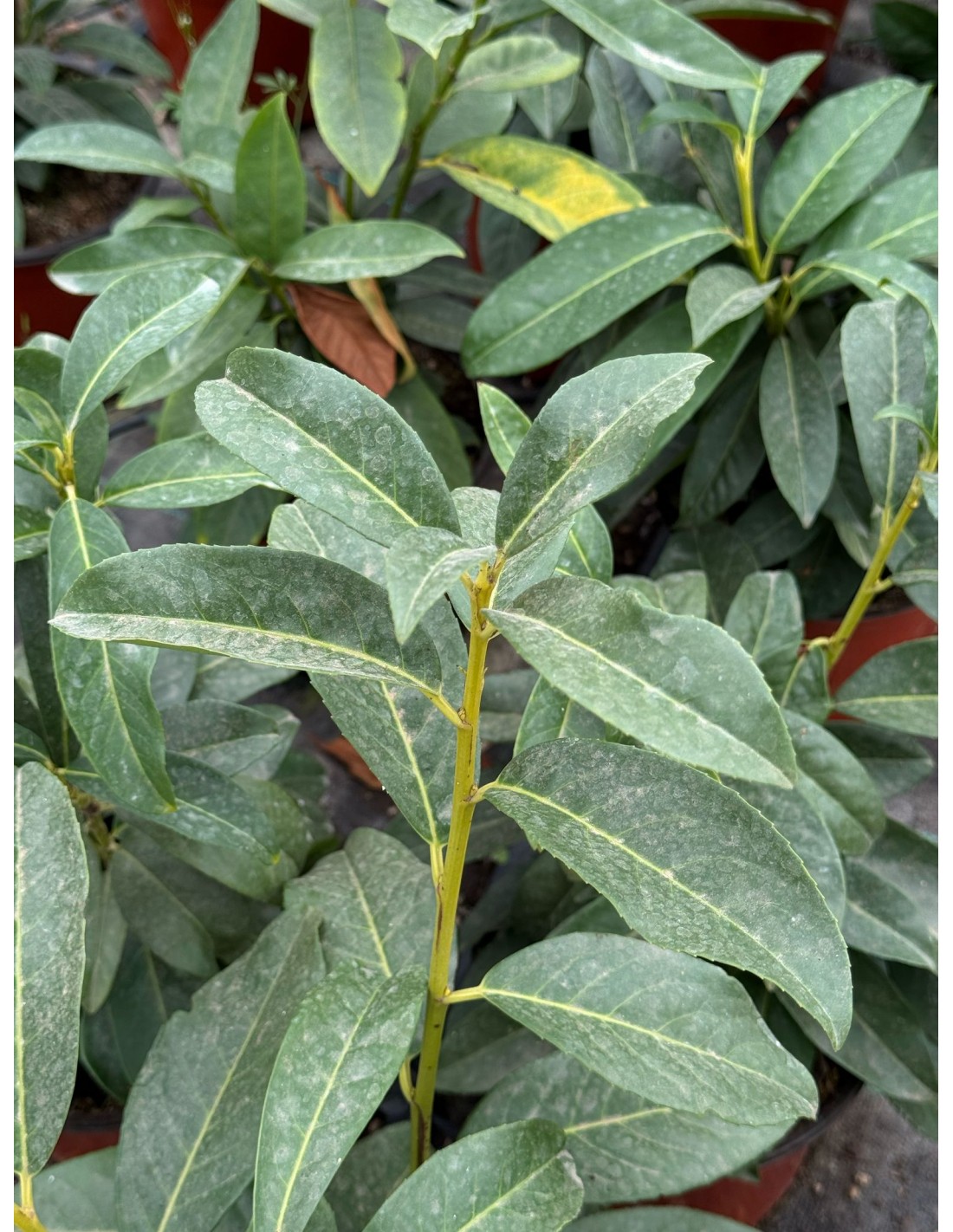
The Cherry Laurel plant is a very common shrub in Italian gardens. It is a vigorous and resistant shrub, evergreen, with dense and compact vegetation; the leaves are oval, lanceolate, with a toothed margin, of a dark green color; in spring, small white star flowers bloom. Before placing the Cherry Laurel plant, it is good to prepare a large planting hole, where we will work the soil well, enriching it with manure and a little sand. The Cherry Laurel plant needs to be exposed to direct sunlight. The soil is kept dry by slightly moistening it once a month.

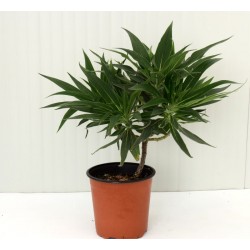
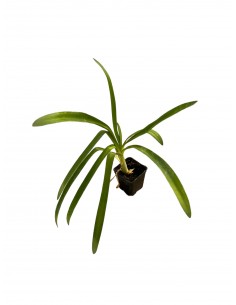
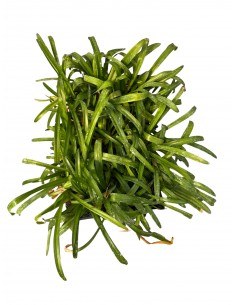

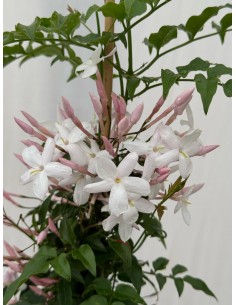
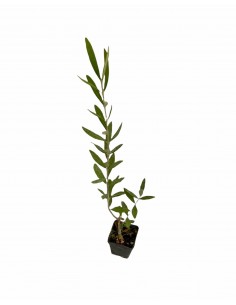
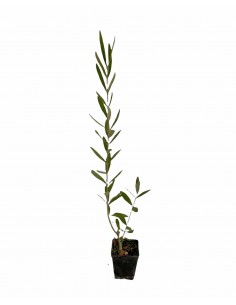
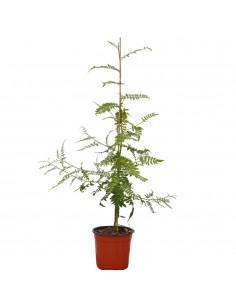
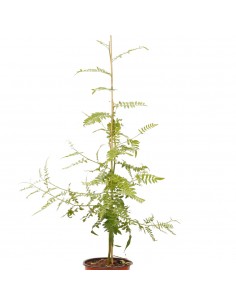


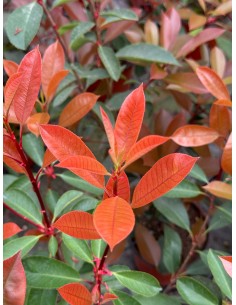
Online Sale of Cherry Laurel Plant, available in the following formatsi:
Among the most used evergreen hedges we find the cherry laurel. These hedges are tall, dense and with beautiful glossy green foliage. It is an evergreen shrub native to Asia and Europe and belonging to the Rosaceae family. The genus to which this plant belongs is Prunus, which has about 400 different species. The cherry laurel is widely used for the creation of garden or terrace hedges and borders. The cherry laurel hedge is quite tall, even more than a meter, and with very dense and dense foliage. These features make it ideal for screening and decorating public and private spaces. In fact, with Il Lauroceraso, natural barriers or hedges can be created in any outdoor space. The cherry laurel hedge tends to grow in height and this gives it a certain covering, shielding and shading power. The shrub of which it is composed produces dense leaves of a glossy and intense green color. The cherry laurel hedge blooms in spring, when it produces small white apical flowers gathered in clusters or panicles. In summer, however, the fruits, small blackish berries ripen. The ornamental yield of the cherry laurel hedge is typical of evergreen species, therefore more closely linked to the shape, color and texture of the leaves. This hedge is chosen when you want to create very high green barriers and when you need plants that are easy to grow and with no special needs. The cherry laurel, like most evergreens, does not require excessive cultivation practices, once planted and fertilized, it soon manages to give a very green, shiny, tall hedge perfectly integrated with the surrounding environment.
The cherry laurel hedge does not require a lot of maintenance. Fertilizer and watering should be administered only when planting the seedlings, later, with the adult and well rooted hedge, it is necessary to proceed only in case of actual need. Remember that the young hedge should be watered every two weeks. The cherry laurel hedge only needs adequate pruning. When the plant is young, you don't have to prune it, just remove the dry leaves. These must be promptly eliminated from the ground because they are a receptacle for phytopathogenic bacteria and fungi that can affect the entire hedge. The remains of pruning can be burned or used to create compost, a natural fertilizer that is excellent for nourishing garden plants and more. The adult cherry laurel hedge should be pruned at least twice a year: in March and August. The interventions include the removal of branches and dry leaves and the shortening of those that are too long, thin or that invade the borders of others. When well cared for and pruned, the cherry laurel hedge is able to withstand heat, cold, pests and disease. This hedge can sometimes suffer from powdery mildew and canker of the branches. The prompt elimination of pruning remains, exposure to partial shade on acidic soil and in temperate areas, almost always prevent the cherry laurel hedge from becoming ill and dying prematurely.