Shopping Cart

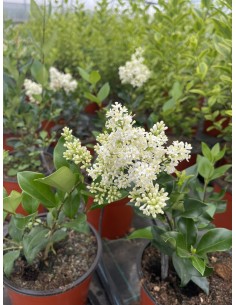
Privet is a flowering plant of the genus ligustrum. The genus contains about 50 species of upright, deciduous, or evergreen shrubs, sometimes forming small or medium-sized trees. The privet is a group of shrubs and small trees from South and East Asia, which extends from the Himalayas to Australia. They can be evergreen or deciduous, and are tolerant of different types of soil. They often have conspicuous heads of white flowers, followed by Some species have become largely naturalized or invasive where introduced. The privet was originally the name given to the evergreen semi-shrub. It produces black berries.
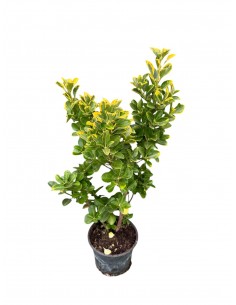
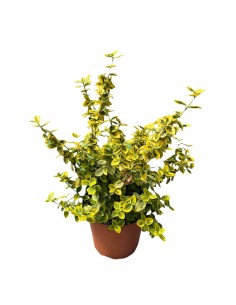
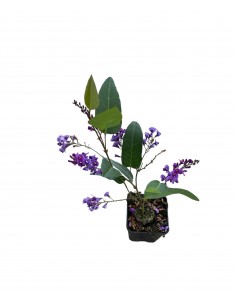
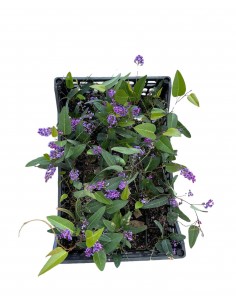
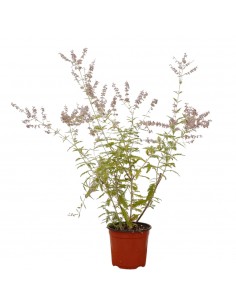
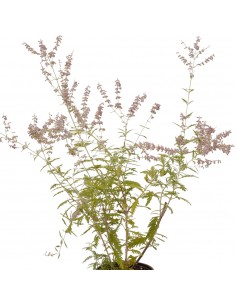


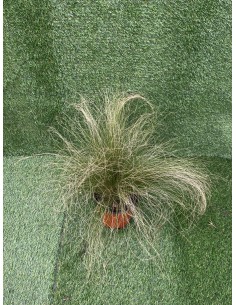
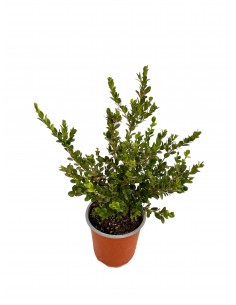
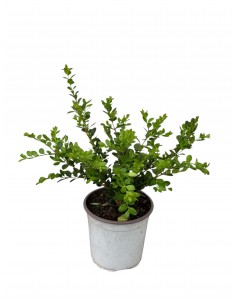

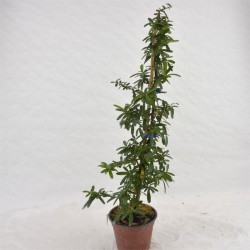
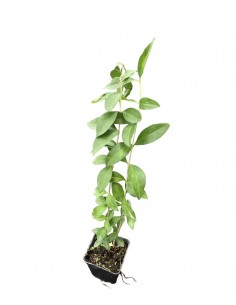
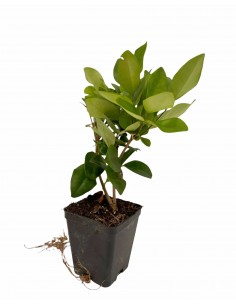
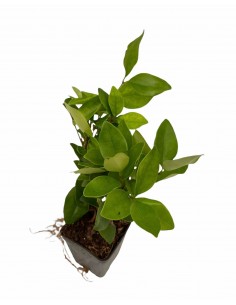
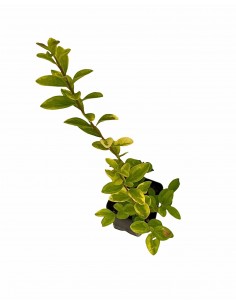
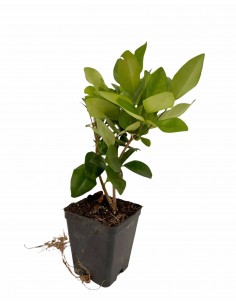
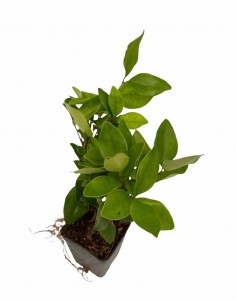
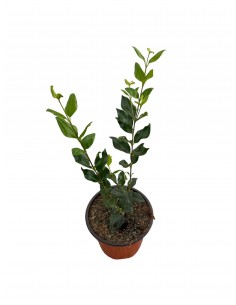
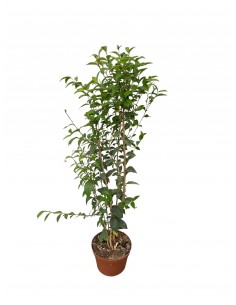
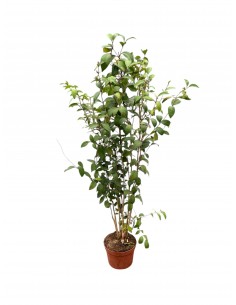
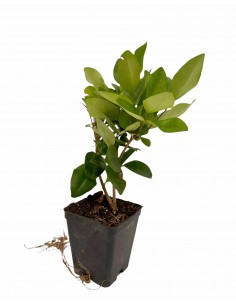
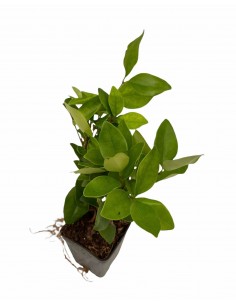
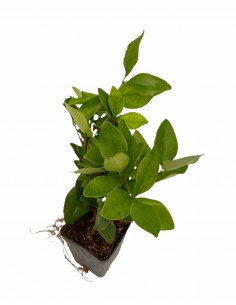
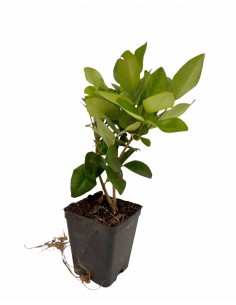
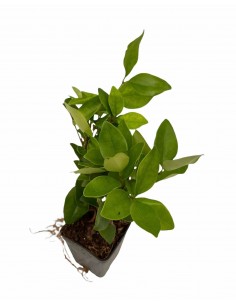
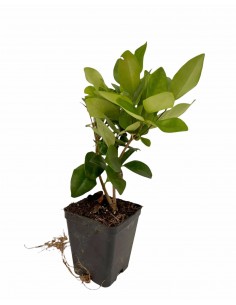
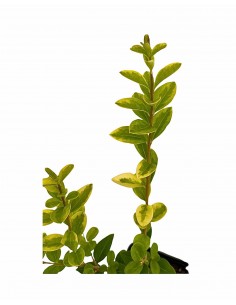
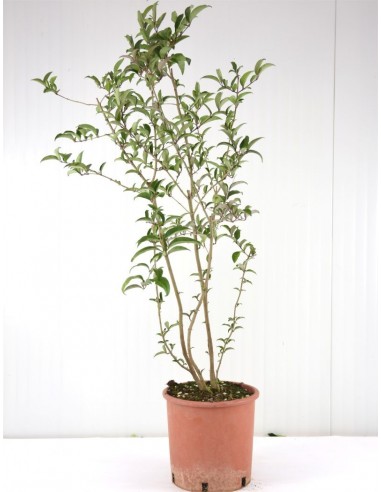
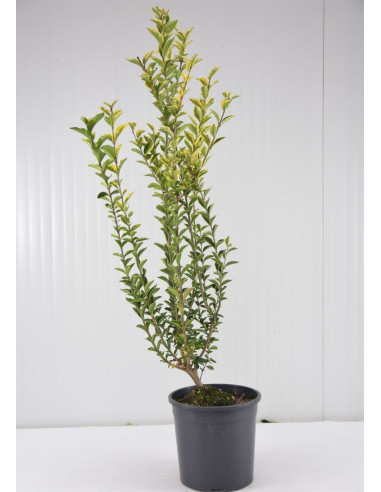
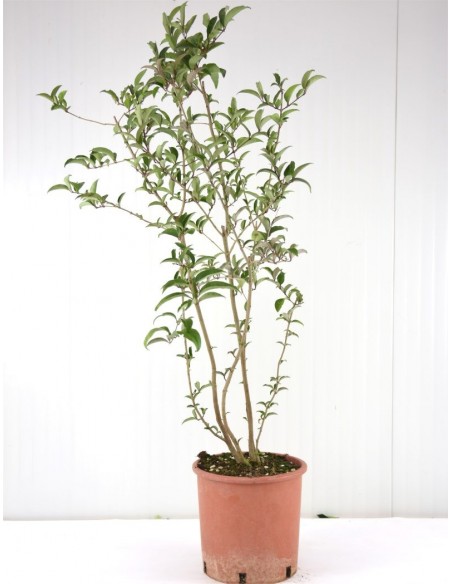
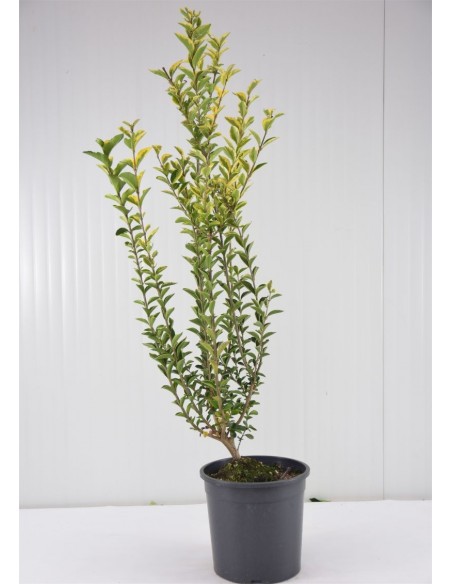
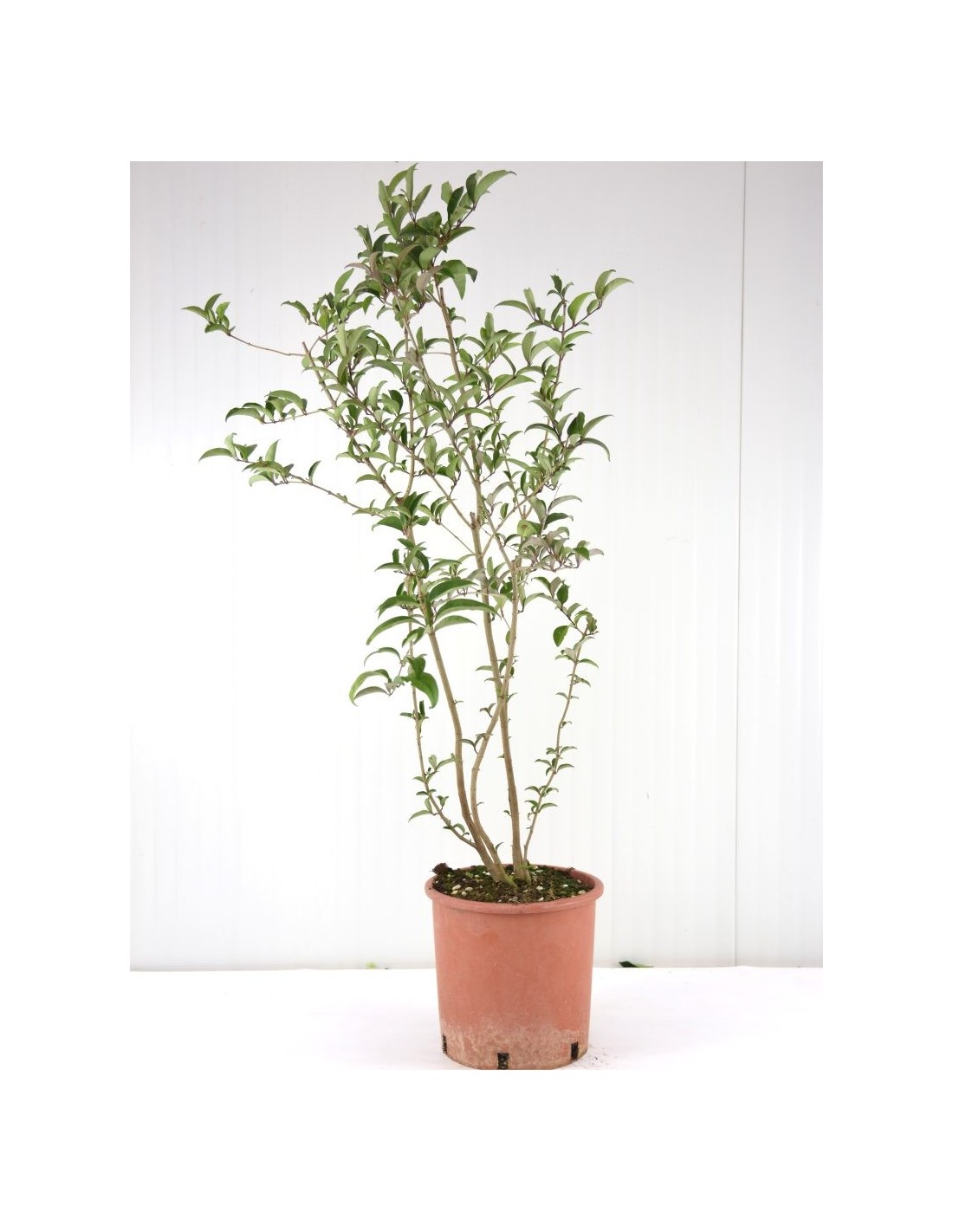
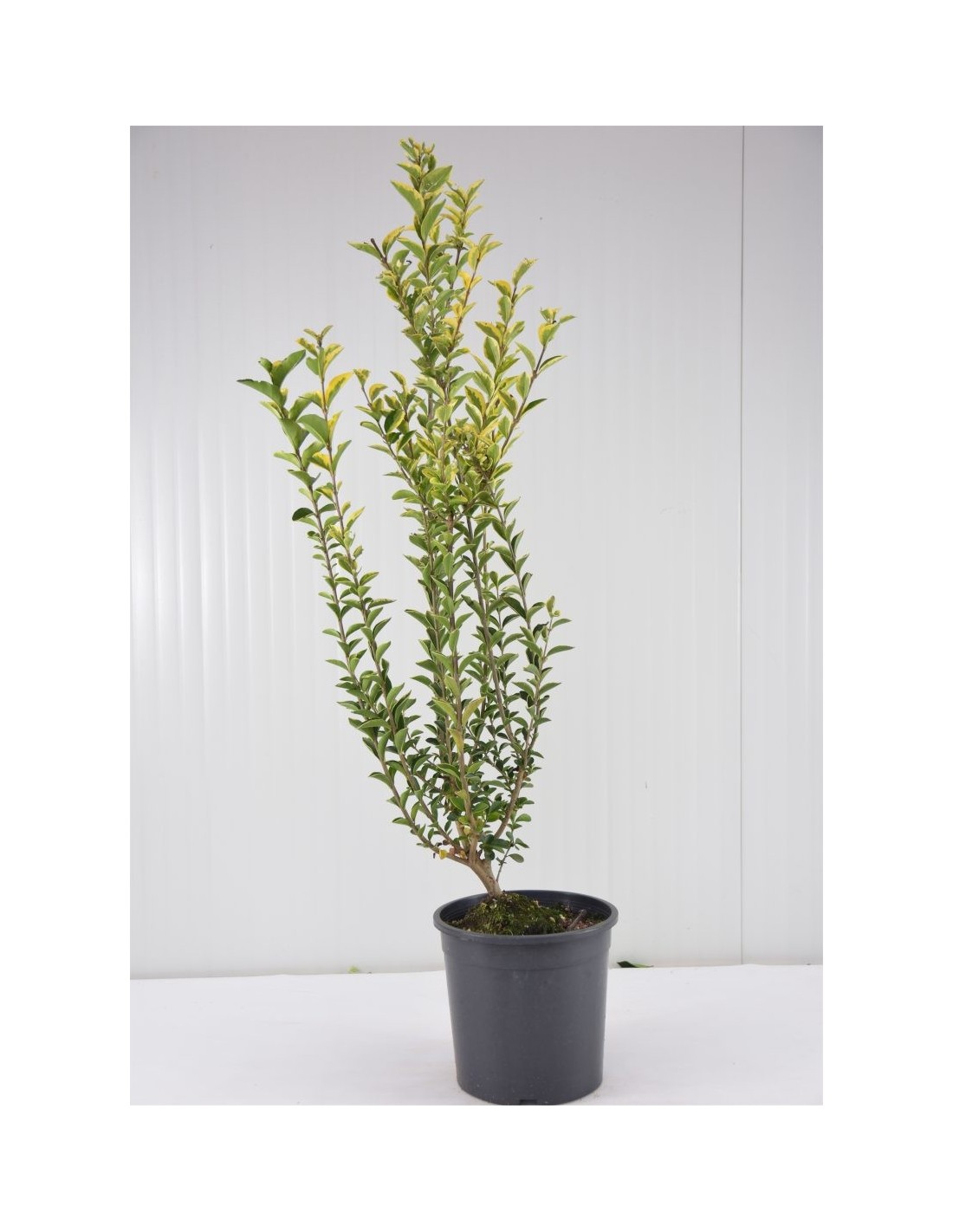
Online Sale Privet Plant, available in the following formats
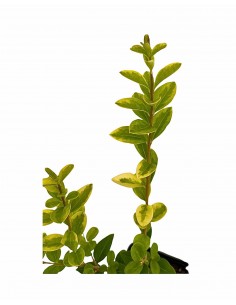
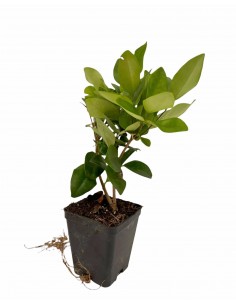
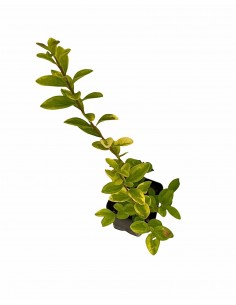
The privet is an evergreen shrub, sometimes deciduous, native to Asia and precisely to Japan. Belonging to the Oleaceae family, the shrub has different varieties that can reach heights of between two and four meters. In Europe a spontaneous species called Lugustrum vulgare grows, while the Lugustrum lucidum variety is also naturalized as European. Generally, all varieties of privet have shiny green lanceolate leaves, small white, fragrant flowers gathered in a panicle or in terminal groups. The privet produces toxic and poisonous berries also used as dyes. Very suitable for creating loose hedges are the oval-leaved privet (Ligustrum ovalifolium) and the Japanese privet (Ligustrum japonicum). To obtain a particular aesthetic result, you can also use the glossy-leaved privet, or the European spontaneous variety botanically called Lugustrum lucidum. The oval-leaved privet, but also the Japanese one, behave like evergreen, that is, they keep the foliage even during the cold season. Other varieties, on the other hand, tend to behave as a deciduous species with the cold, that is, falling during the winter. Sometimes, even the varieties known as evergreens can show the phenomenon of leaf fall during the winter, this problem can be overcome by giving the hedge the utmost attention during the summer. In addition to being grown to create ornamental hedges and foliage, privet is also widely used in horticultural arrangements and for flower arrangements. The oval privet leaf is used for hedging operations, while its flexible branches are sometimes used as ropes for anchors. Different tree species, in particular the Chinese privet, are often used as a street tree throughout Europe, while other species, including Ligustrum japonicum and Ligustrum quihoui are among others, also sometimes used as ornamental plants in gardens.
The planting of the hedge privet can be done during the spring season, although there are no limits to other seasons: the important thing is that the soil is moist (easier to work) and not arid or muddy. After planting, preferably in spring, the root zone should be mulched, in order to protect the plant from the cold. The privet prefers sunny exposures, but also in partial shade; the one with oval leaves needs at least two hours of sun a day during the summer. The soil for the plant must be soft, fertile and well drained, possibly enriched with organic matter, sand and peat. The privet should be watered regularly and abundantly in summer; between one irrigation and the next, however, the soil must be allowed to dry out completely. Before the vegetative restart, the privet must be fertilized with mature manure or with slow release fertilizer. In the first case, it will also be necessary to intervene in spring with a liquid fertilizer, while in the second, fertilization will ensure complete nutrition for at least four months. The privet should also be pruned three times a year to contain its growth. Pruning should be carried out with blade shears, well sharpened and disinfected