- Stock
-
Plants
Climbing plants
- Piante di Edera
- Piante di Bouganvillea
- Piante di Gelsomino
- Piante di Aristolochia
- Piante di Bignonia
- Piante di Glicine
- Piante di Passiflora
- Piante di Lonicera
- Piante di Pandorea
- Pianta Di Handerbergia
- Piante di Mansoa Allicea
- Piante Di Pereskia
- Piante di Thunbergia
- Piante di Ampelopsis
- Piante Di Solanum Jasminoides
Aromatic plants- Piante Di Menta
- Piante Di Lavanda
- Piante Di Rosmarino
- Piante Di Elicriso
- Piante Di Santolina
- Finocchietto Selvatico
- Piante Di Incenso
- Piante Di Origano
- Piante Di Timo
- Piante Di Maggiorana
- Piante Di Melissa
- Piante Di Goji
- Piante Di Stevia
- Piante Di Salvia
- Piante Di Basilico
- Piante Di Prezzemolo
- Piante Di Rucola Selvatica
- Piante Di Citronella O Lippia Citridora
- Piante Di Fragola
Piante Tappezzanti- Piante di Muehlenbeckia
- Piante di Verbena
- Piante di Drosanthemum
- Piante di Lantana Sellowiana
- Piante di Vinca
- Piante di Ceanothus
- Piante di Cotoneaster
- Piante di Polygonium
- Piante di Lippia
- Piante di Ficus repens
- Piante di Armeria
- Piante di Ajuga
- Pianta di Russelia
- Piante di Ceratostigma
- Piante Di Erigeron
- Piante di Cerastium
Hedge Plants- Pianta Alloro
- Piante di Lauroceraso
- Piante di Photinia
- Piante di Viburno
- Piante di Buxus
- Piante di Eugenia
- Piante di Euonymus
- Piante di Ligustro
- Piante di Pitosforo
- Piante di Crataegus
- Piante di Oleandro
- Piante di Atriplex
- Piante Di Berberis
- Pianta Di Osmanthus
- Pianta Di Philliyrea
- Pianta di Lentisco
- Pianta di Cuoressus
- Pianta Di Myrsine Africana
- Pianta Ortensia
- Pianta di Eleagnus
- Piante Di Solanum Rantonnetii
-
Bush Plants
- Green Plants
- Trees
- Succulent
-
Seeds
Vegetable Seeds
- Semi Di Anguria
- Semi Di Cardo
- Semi Di Carosello
- Semi Di Carota
- Semi Di Cavolo
- Semi Di Cetriolo
- Semi Di Cicoria e Radicchio
- Semi Di Cima Di Rapa
- Semi DI Cipolla
- Semi Di Melanzana
- Semi Di Melone
- Semi Di Peperoncino
- Semi Di Peperone
- Semi Di Bietola
- Semi Di Carciofo
- Semi di Pomodoro
- Semi Di Ravanello
- Semi Di Scarola
- Semi Di Zucchina
- Semi Di Zucca
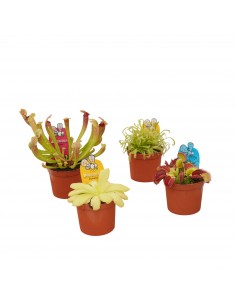
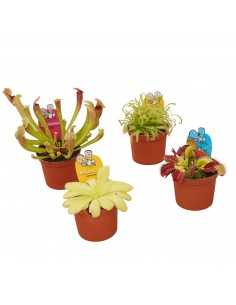
- Carnivorous
- Bonsai
- Marriage
- Seasonal Plants
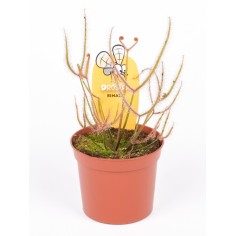
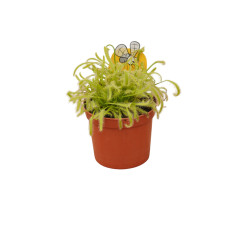
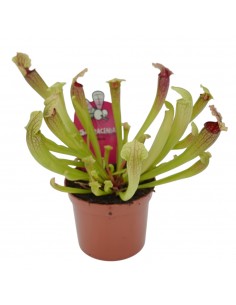
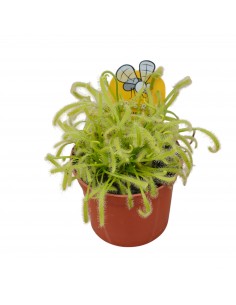
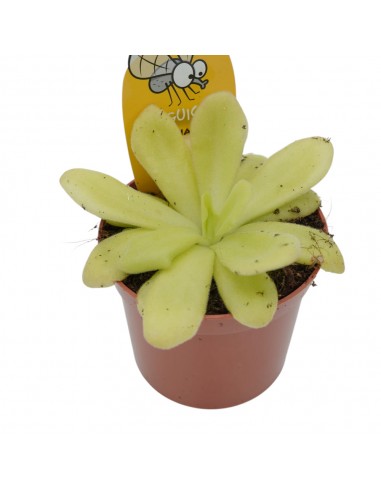
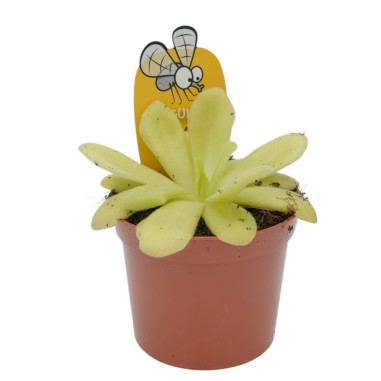
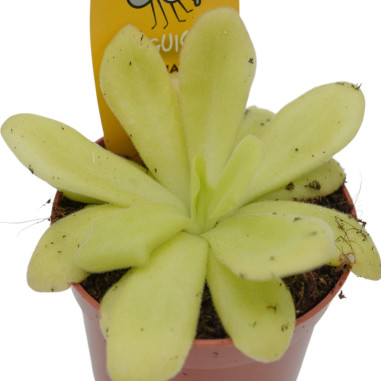
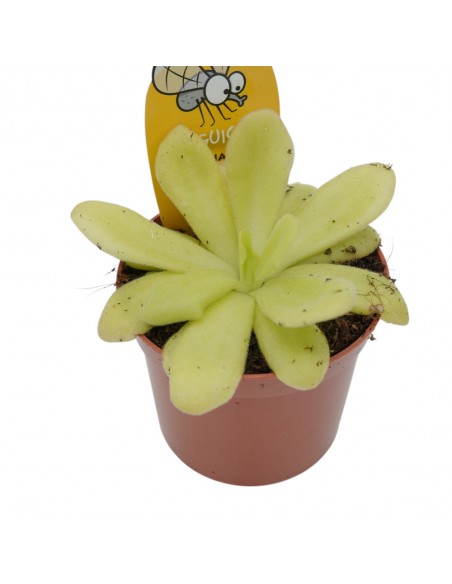
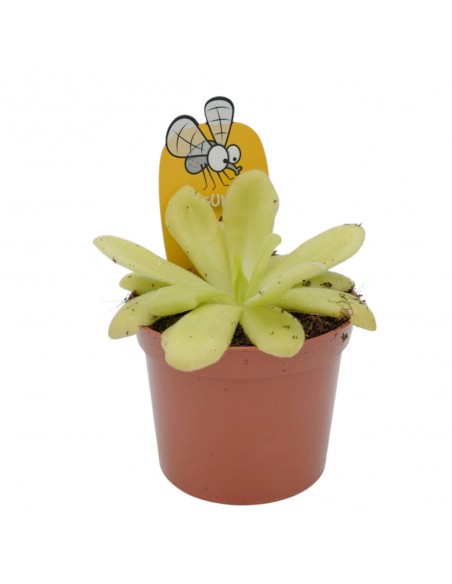
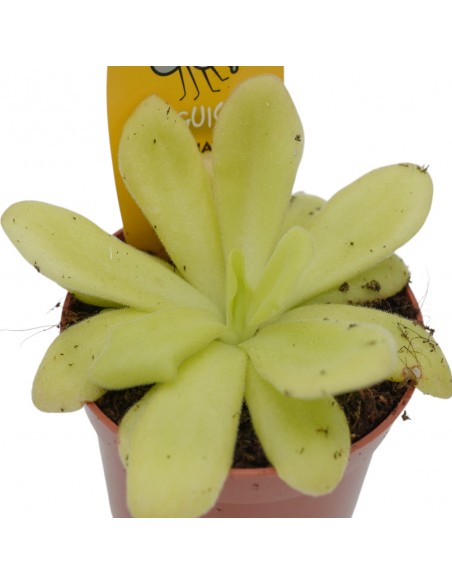
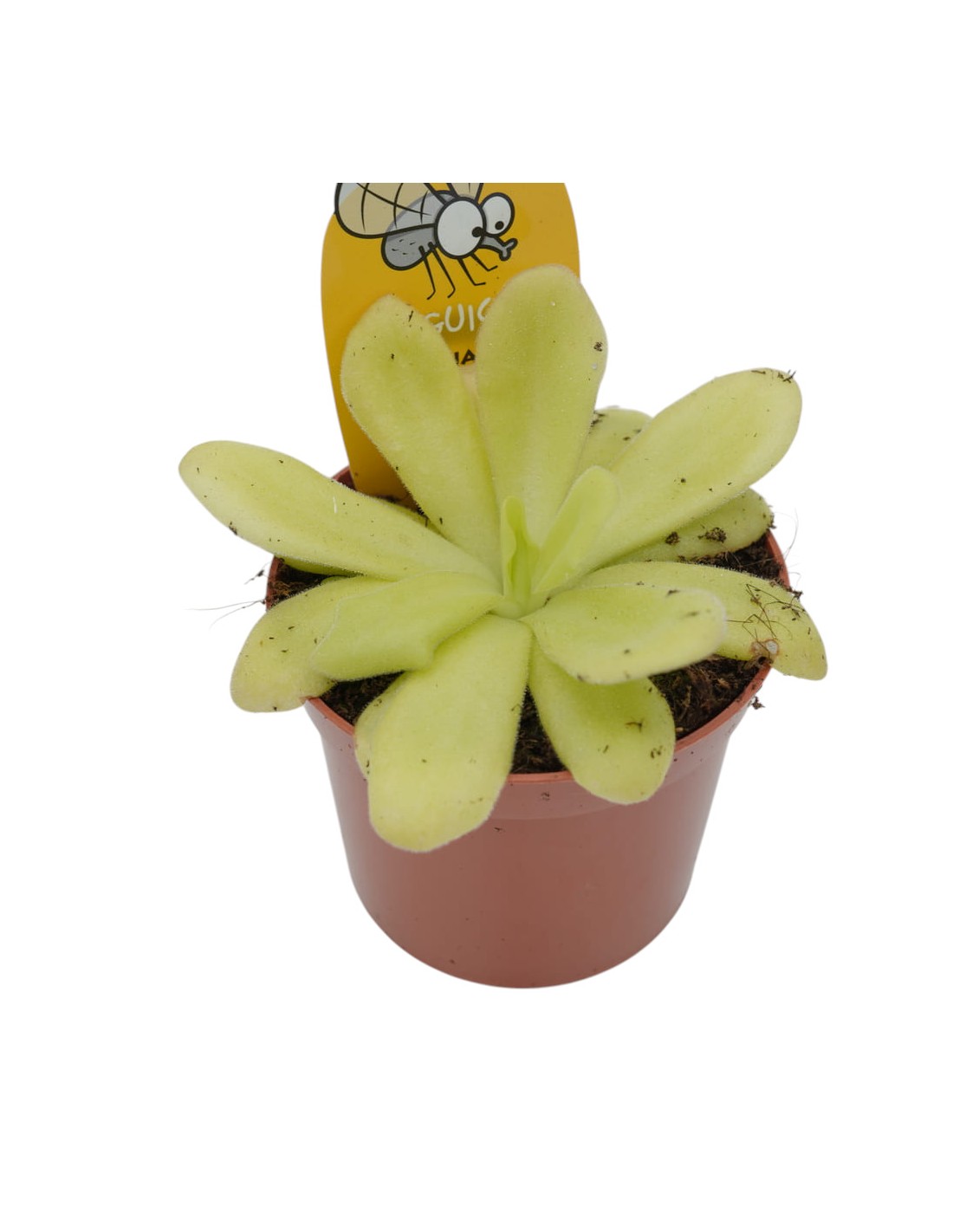
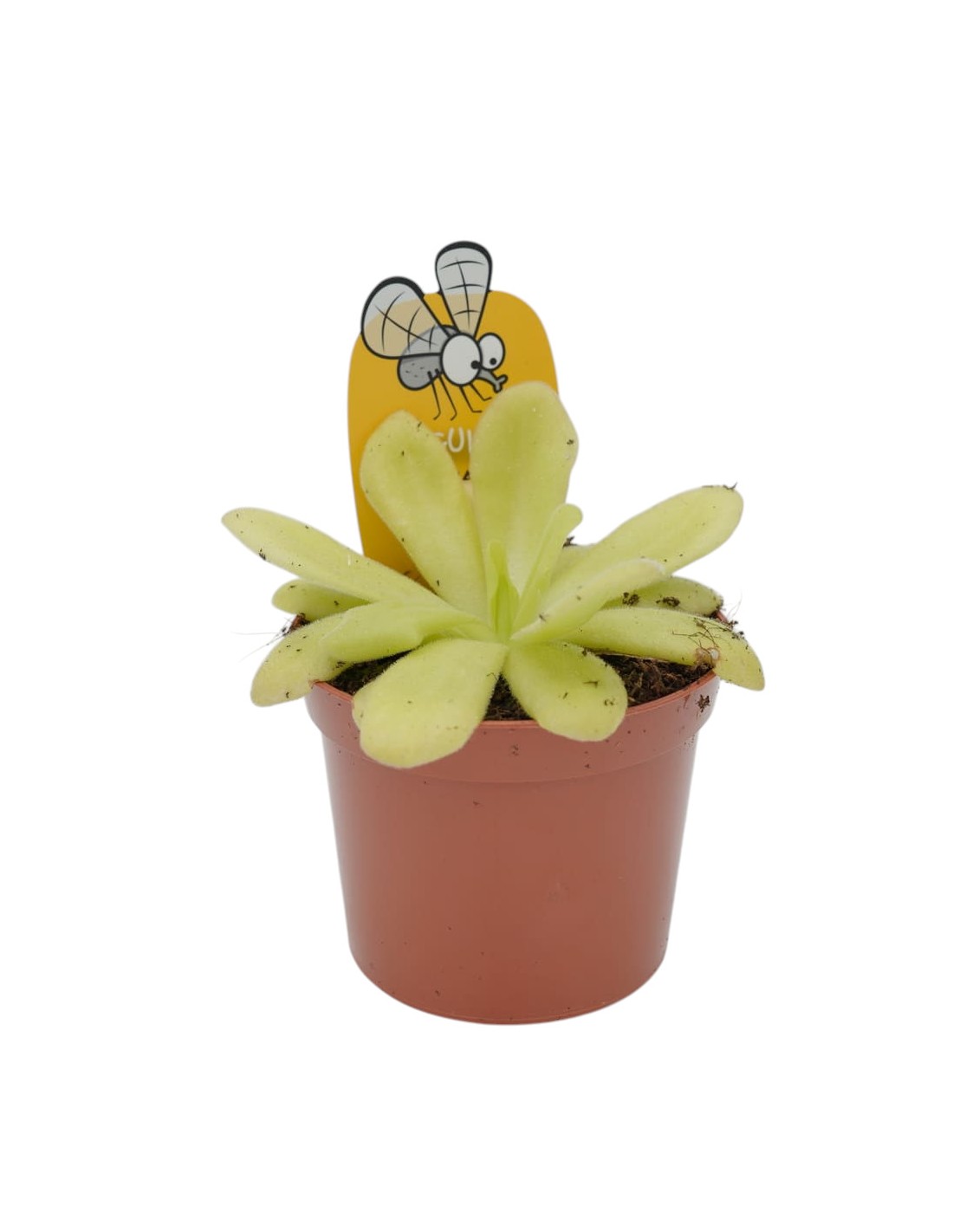
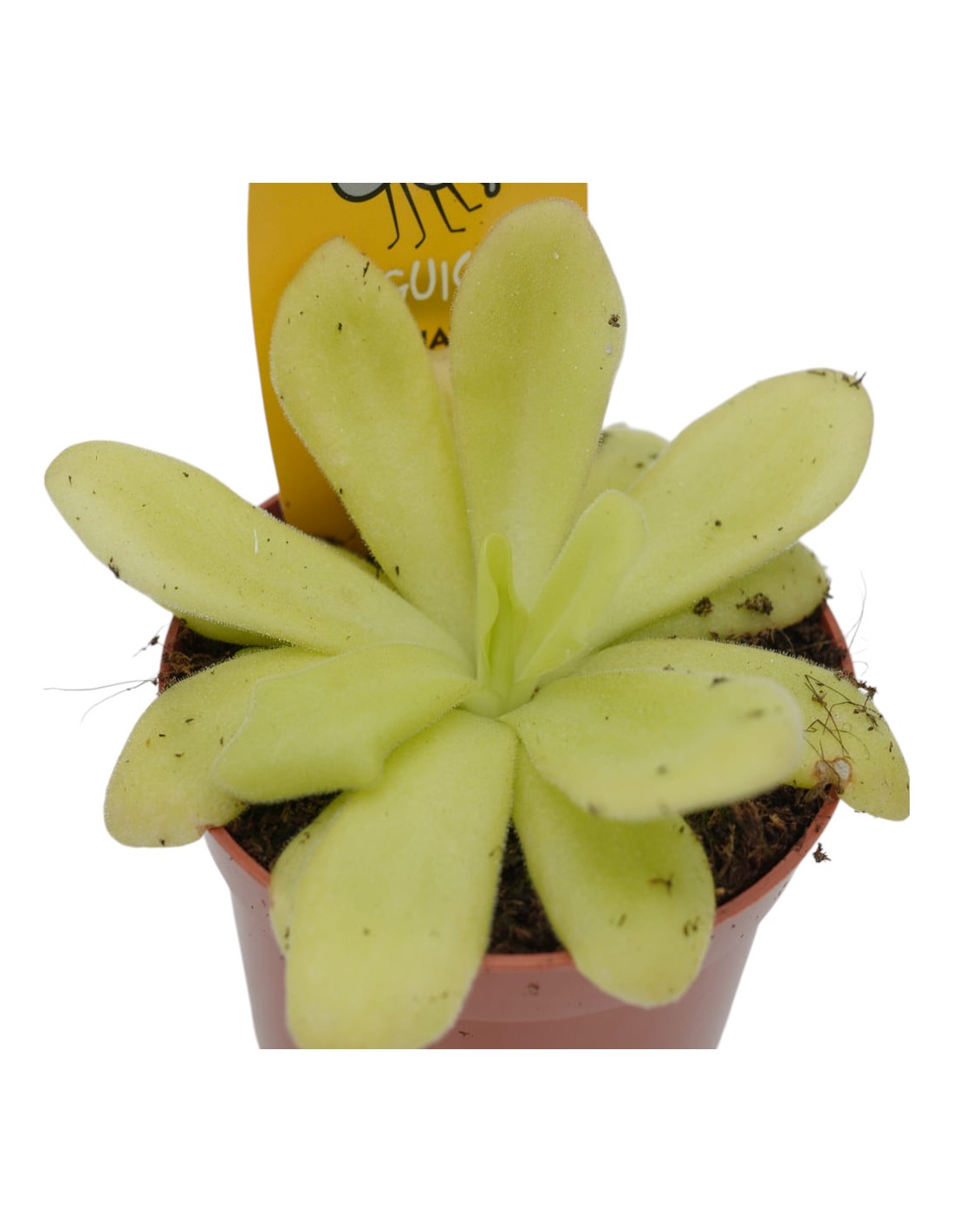
'Pinguicula' Carnivorous Plant
Generality of the Pinguicula Plant:
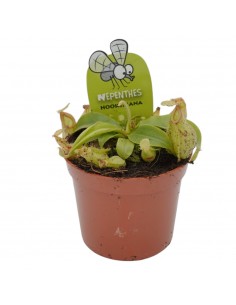
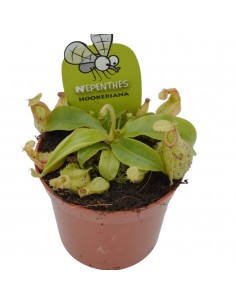
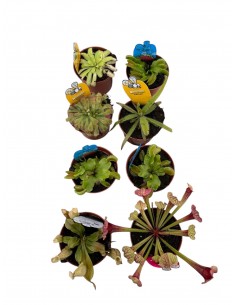
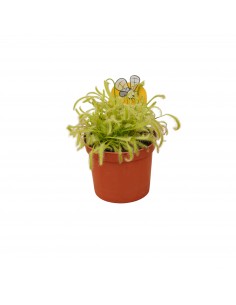
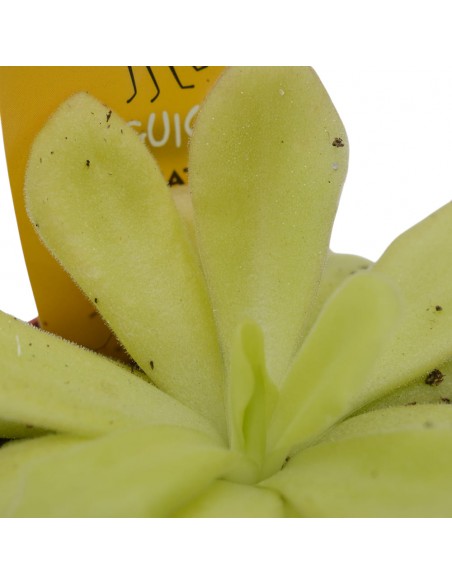
Pinguicula is a genus of carnivorous plants belonging to the Lentibulariaceae family. Plants of this kind use sticky and glandular leaves to attract, capture, kill and digest insects to compensate for the lack of mineral nutrients present in their habitat.
On-line Sale of the Pinguicula plant, available in the following sizes:
- Vase 8.5cm, Height: Height of the Vase
VALUE PROPOSITION - DESKTOP
INFORMAZIONI
per L'ACQUISTO
10% Sconto BenvenutoIsciviti alla newsletter per ottenere uno sconto del 10% sul primo ordine
Servizio clienti Lun/Ven: 9:00/14:00 | Sab 09:00/12:30WhatsApp: +39 389 48 33 785
Customers who bought this product also bought:
On-line Sale Of the Pinguicula plant, available in the following sizes:
- Vase 8.5cm, Height: Height of the Vase
Generality of the Pinguicula Plant:
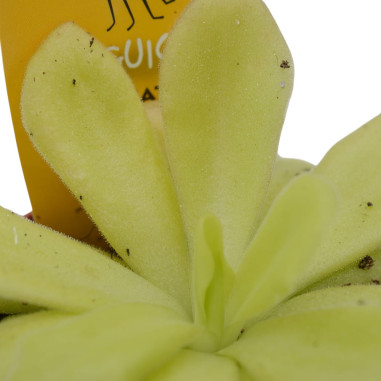
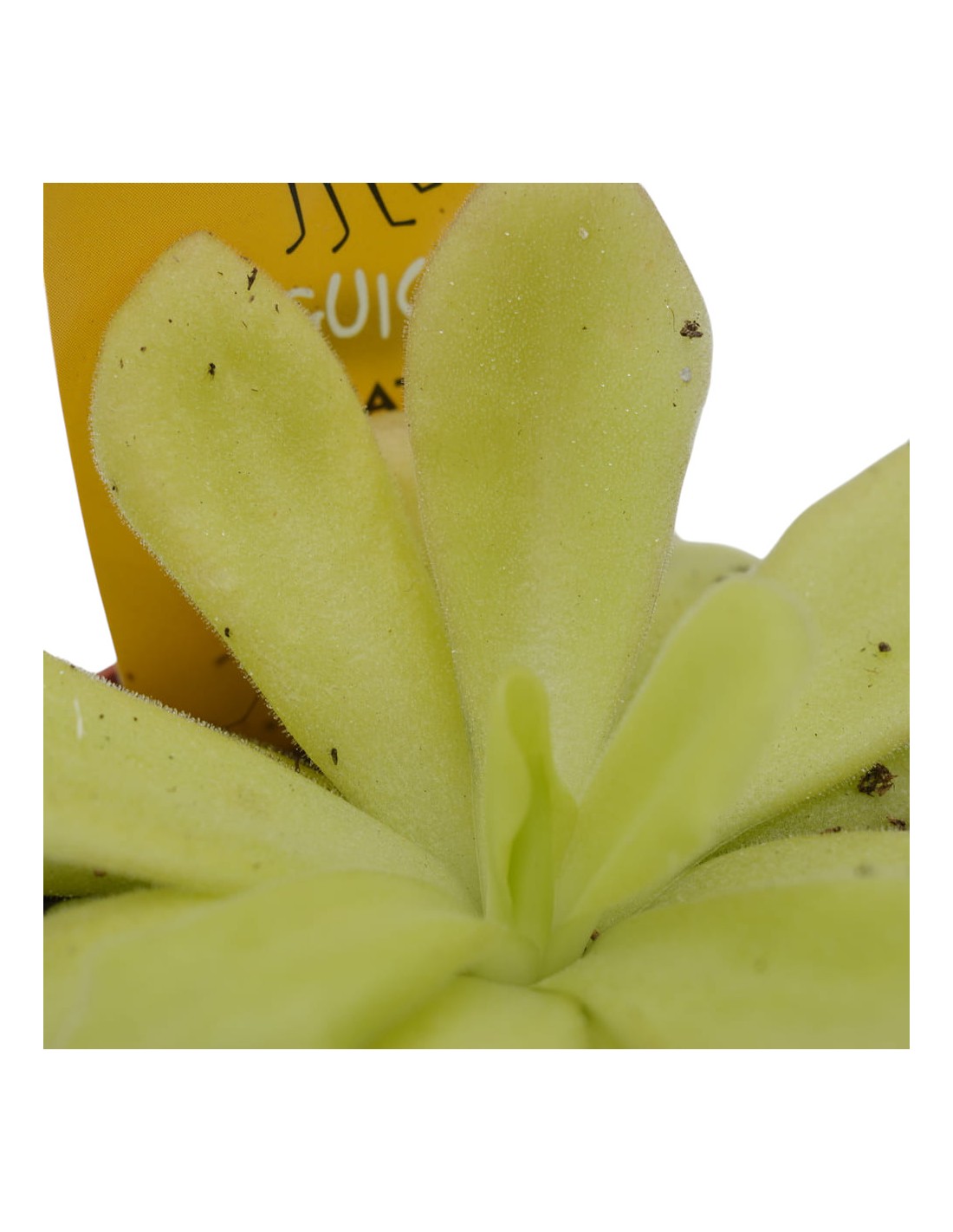
Pinguicula belongs to the Lentibulariaceae family and includes about 80 species, of which only 4 (P. sharpii, P. takakii, P. crenatiloba and P. pumila) are annual. The remaining species are herbaceous perennials among which we find the 8 present also in Italy. The Pinguiculas are divided into two large groups depending on the place of origin: the temperate pinguiculas and the tropical ones. All form rosettes but the temperate ones, during the period of winter dormancy, form some rosettes called Hibernacula with leaves similar to scales and (for all the species apart from the P. alpine) they leave to dry the carnivorous leaves. The flowering occurs, for those temperate, to the formation of the summer rosettes while for the tropical ones every time they change rosette. The flowers have very long stems to avoid catching the pronubi insects. Plants of the genus Pinguicula are endowed with adhesive traps: the surface of the leaf, which is green or pink depending on the species, is covered by two types of glands; a peduncular gland that secretes a sticky liquid that covers the leaves and that, in addition to attracting with its appearance, the insects in search of water catch them by engulfing them: the more the prey is struggling, the more it stimulates the production of this liquid. The second type of glands are sessile and serve to secrete the enzymes that will digest the prey. Some species have leaves that can slightly wrap the captured insect.
Cultivation and Care of the Pinguicula Plant:
Pinguicula loves sunny places sheltered from the wind. It should be watered regularly only with rain water or with distilled water, the tap water causes its death in a short time. In winter keep the soil moist, loose and well drained at acidic pH composed of a mixture of sphagnum peat, perlite and sand. It is a plant that absolutely must not be fertilized. The plant must be repotted only when the roots come out of the drainage holes of the water or when the peat that forms the substratum is in the process of rotting.

9 other products in the same category:
VALUE PROPOSITION - MOBILE
Product Reviews / Q&A
Average rating
-
Reviews (0)
- All reviews (0)
- Has image/video (0)
- Excellent (0)
- Good (0)
- Medium (0)
- Poor (0)
- Terrible (0)
-
Questions & Answers (0)
-
Latest
- Latest
- Oldest
- High rating
- Low rating
- Helpful
-
Latest
- Latest
- Oldest
- Helpful
There are no available reviews. Write your review.
There are no available questions. Ask your question.