- Stock
-
Plants
Climbing plants
- Piante di Edera
- Piante di Bouganvillea
- Piante di Gelsomino
- Piante di Aristolochia
- Piante di Bignonia
- Piante di Glicine
- Piante di Passiflora
- Piante di Lonicera
- Piante di Pandorea
- Pianta Di Handerbergia
- Piante di Mansoa Allicea
- Piante Di Pereskia
- Piante di Thunbergia
- Piante di Ampelopsis
- Piante Di Solanum Jasminoides
Aromatic plants- Piante Di Menta
- Piante Di Lavanda
- Piante Di Rosmarino
- Piante Di Elicriso
- Piante Di Santolina
- Finocchietto Selvatico
- Piante Di Incenso
- Piante Di Origano
- Piante Di Timo
- Piante Di Maggiorana
- Piante Di Melissa
- Piante Di Goji
- Piante Di Stevia
- Piante Di Salvia
- Piante Di Basilico
- Piante Di Prezzemolo
- Piante Di Rucola Selvatica
- Piante Di Citronella O Lippia Citridora
- Piante Di Fragola
Piante Tappezzanti- Piante di Muehlenbeckia
- Piante di Verbena
- Piante di Drosanthemum
- Piante di Lantana Sellowiana
- Piante di Vinca
- Piante di Ceanothus
- Piante di Cotoneaster
- Piante di Polygonium
- Piante di Lippia
- Piante di Ficus repens
- Piante di Armeria
- Piante di Ajuga
- Pianta di Russelia
- Piante di Ceratostigma
- Piante Di Erigeron
- Piante di Cerastium
Hedge Plants- Pianta Alloro
- Piante di Lauroceraso
- Piante di Photinia
- Piante di Viburno
- Piante di Buxus
- Piante di Eugenia
- Piante di Euonymus
- Piante di Ligustro
- Piante di Pitosforo
- Piante di Crataegus
- Piante di Oleandro
- Piante di Atriplex
- Piante Di Berberis
- Pianta Di Osmanthus
- Pianta Di Philliyrea
- Pianta di Lentisco
- Pianta di Cuoressus
- Pianta Di Myrsine Africana
- Pianta Ortensia
- Pianta di Eleagnus
- Piante Di Solanum Rantonnetii
-
Bush Plants
- Green Plants
- Trees
- Succulent
-
Seeds
Vegetable Seeds
- Semi Di Anguria
- Semi Di Cardo
- Semi Di Carosello
- Semi Di Carota
- Semi Di Cavolo
- Semi Di Cetriolo
- Semi Di Cicoria e Radicchio
- Semi Di Cima Di Rapa
- Semi DI Cipolla
- Semi Di Melanzana
- Semi Di Melone
- Semi Di Peperoncino
- Semi Di Peperone
- Semi Di Bietola
- Semi Di Carciofo
- Semi di Pomodoro
- Semi Di Ravanello
- Semi Di Scarola
- Semi Di Zucchina
- Semi Di Zucca
- Carnivorous
- Bonsai
- Marriage
- Seasonal Plants
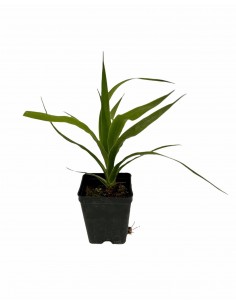
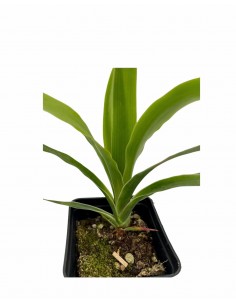
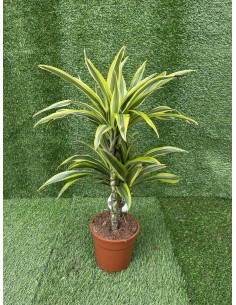
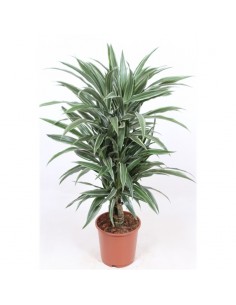
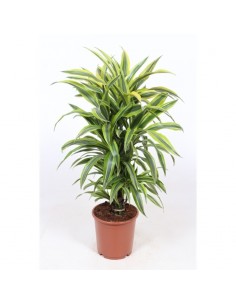
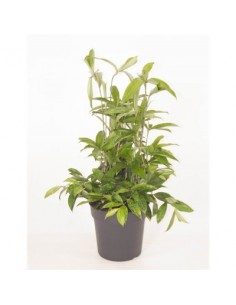
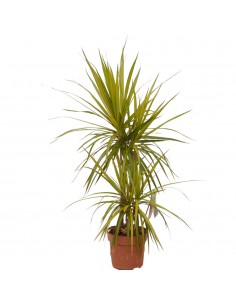
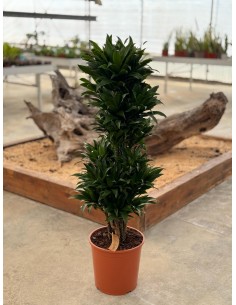
Dracaena plant
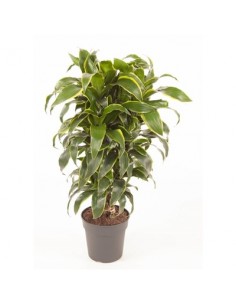
Generality of the Dracaena plant:
The dracena belongs to the Liliaceae family. This shrub includes dozens of different species, all with similar characteristics and with the same cultivation needs. The plant, also called by the botanical name "dracaena", is native to the hot and humid areas of Africa and Asia.
- jar 24c
m, height 90cm
VALUE PROPOSITION - DESKTOP
INFORMAZIONI
per L'ACQUISTO
10% Sconto BenvenutoIsciviti alla newsletter per ottenere uno sconto del 10% sul primo ordine
Servizio clienti Lun/Ven: 9:00/14:00 | Sab 09:00/12:30WhatsApp: +39 389 48 33 785
Customers who bought this product also bought:
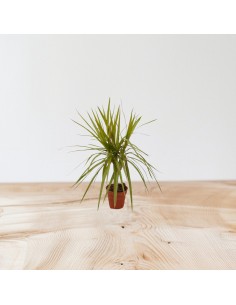
Sale of Dracaena plant, available in the following formats:
- jar 24cm, height 90cm
Generality of the Dracaena plant:
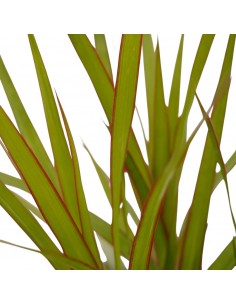
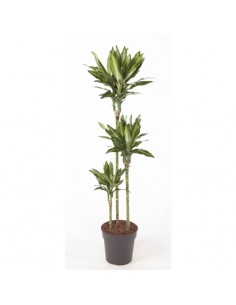
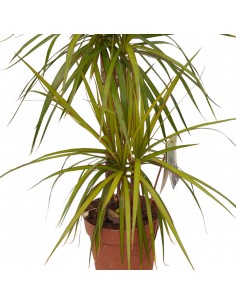
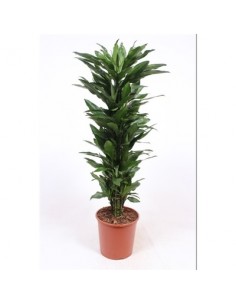
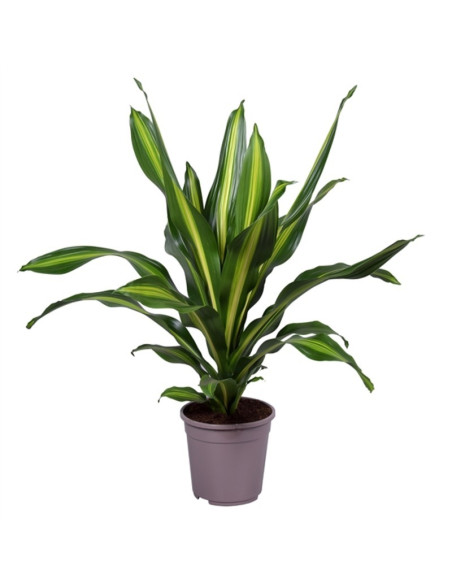
Dracena is one of the most popular houseplants, albeit little known. Anyone who owns one considers it a species with a high ornamental yield. We are talking about the dracena or dracaena, a medium-sized shrub that grows in hot-humid climates. Due to this characteristic, the plant lends itself to being grown in domestic environments, indoors and in pots. Of course, the plant should be placed in well-lit areas, so not in the dark or in the shade and away from drafts. There are many varieties of green leaf dracene or with different variegations, white red or green that always make the plant elegant and refined. Generally the market offers specimens with more plants (2 or 3) in the same pot at various heights in order to create harmony in the composition of the plant.
Coltivazione e Cura Pianta Dracaena:
These plants have the advantage of getting used to and adapting to even the most extreme conditions, therefore they are suitable to be placed in the corner between sofas, on stairs, in shops or offices. Even if they survive in unfavorable conditions, this does not mean that they are always happy; in fact, if the climate and the light are not suitable, first of all they do not bloom, moreover they tend to have ruined foliage, they get sick easily, or lose color. Since the most decorative element of these plants are the leaves, it is perhaps good to learn how to cultivate them in the best possible way, in order to make the most of their characteristics.Although they can bear to live in a dark corner of the house, dracaena do not disdain good lighting, not direct, but diffused, like the one that it can have near a window, or in a bright stairwell; if we have the possibility, remember to move them outdoors in summer, in a semi-shady but well-lit place.
They fear the cold, and should be grown in areas with minimum temperatures not below 10-12 ° C, however we avoid growing them in a torrid place, especially if very dry.The dracaena survives even long periods of drought, recovering quickly when it comes to it. again given water; to get tufts of lush leaves, however, it is good to water regularly, especially when the climate is hot, or when we have an active heating system; in addition to watering the soil in the pot, as soon as it is well dried, remember to supply water also by vaporizing the foliage: the foliage of the dracaenas grown in a dry climate tends to dry out at the tip, losing part of its beauty. Every 12-15 days we add a little fertilizer for green plants to the irrigation water.

11 other products in the same category:
VALUE PROPOSITION - MOBILE
Product Reviews / Q&A
Average rating
-
Reviews (0)
- All reviews (0)
- Has image/video (0)
- Excellent (0)
- Good (0)
- Medium (0)
- Poor (0)
- Terrible (0)
-
Questions & Answers (0)
-
Latest
- Latest
- Oldest
- High rating
- Low rating
- Helpful
-
Latest
- Latest
- Oldest
- Helpful
There are no available reviews. Write your review.
There are no available questions. Ask your question.