- Stock
-
Plants
Climbing plants
- Piante di Edera
- Piante di Bouganvillea
- Piante di Gelsomino
- Piante di Aristolochia
- Piante di Bignonia
- Piante di Glicine
- Piante di Passiflora
- Piante di Lonicera
- Piante di Pandorea
- Pianta Di Handerbergia
- Piante di Mansoa Allicea
- Piante Di Pereskia
- Piante di Thunbergia
- Piante di Ampelopsis
- Piante Di Solanum Jasminoides
Aromatic plants- Piante Di Menta
- Piante Di Lavanda
- Piante Di Rosmarino
- Piante Di Elicriso
- Piante Di Santolina
- Finocchietto Selvatico
- Piante Di Incenso
- Piante Di Origano
- Piante Di Timo
- Piante Di Maggiorana
- Piante Di Melissa
- Piante Di Goji
- Piante Di Stevia
- Piante Di Salvia
- Piante Di Basilico
- Piante Di Prezzemolo
- Piante Di Rucola Selvatica
- Piante Di Citronella O Lippia Citridora
- Piante Di Fragola
Piante Tappezzanti- Piante di Muehlenbeckia
- Piante di Verbena
- Piante di Drosanthemum
- Piante di Lantana Sellowiana
- Piante di Vinca
- Piante di Ceanothus
- Piante di Cotoneaster
- Piante di Polygonium
- Piante di Lippia
- Piante di Ficus repens
- Piante di Armeria
- Piante di Ajuga
- Pianta di Russelia
- Piante di Ceratostigma
- Piante Di Erigeron
- Piante di Cerastium
Hedge Plants- Pianta Alloro
- Piante di Lauroceraso
- Piante di Photinia
- Piante di Viburno
- Piante di Buxus
- Piante di Eugenia
- Piante di Euonymus
- Piante di Ligustro
- Piante di Pitosforo
- Piante di Crataegus
- Piante di Oleandro
- Piante di Atriplex
- Piante Di Berberis
- Pianta Di Osmanthus
- Pianta Di Philliyrea
- Pianta di Lentisco
- Pianta di Cuoressus
- Pianta Di Myrsine Africana
- Pianta Ortensia
- Pianta di Eleagnus
- Piante Di Solanum Rantonnetii
-
Bush Plants
- Green Plants
- Trees
- Succulent
-
Seeds
Vegetable Seeds
- Semi Di Anguria
- Semi Di Cardo
- Semi Di Carosello
- Semi Di Carota
- Semi Di Cavolo
- Semi Di Cetriolo
- Semi Di Cicoria e Radicchio
- Semi Di Cima Di Rapa
- Semi DI Cipolla
- Semi Di Melanzana
- Semi Di Melone
- Semi Di Peperoncino
- Semi Di Peperone
- Semi Di Bietola
- Semi Di Carciofo
- Semi di Pomodoro
- Semi Di Ravanello
- Semi Di Scarola
- Semi Di Zucchina
- Semi Di Zucca
- Carnivorous
- Bonsai
- Marriage
- Seasonal Plants
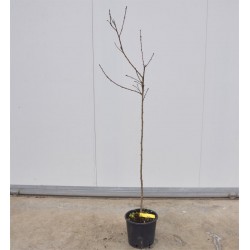
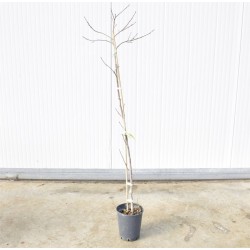
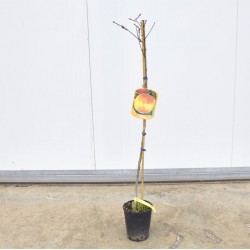
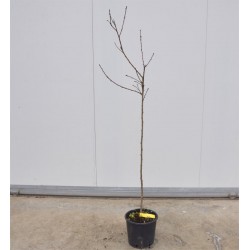
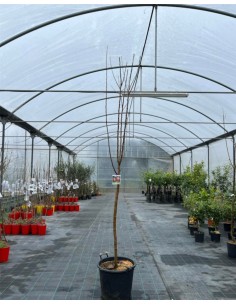
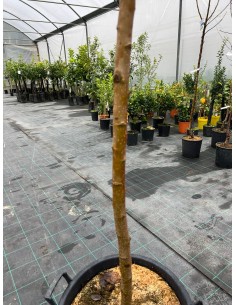
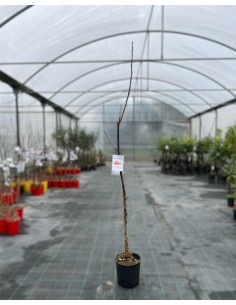
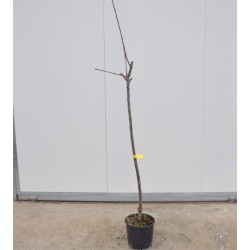
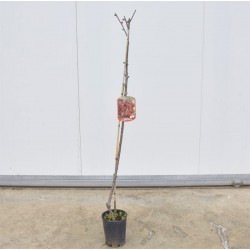
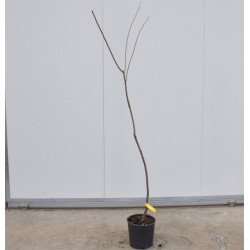
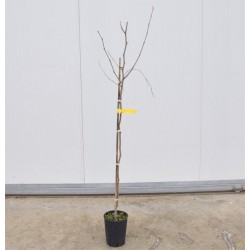
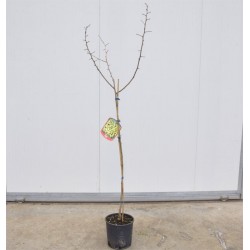
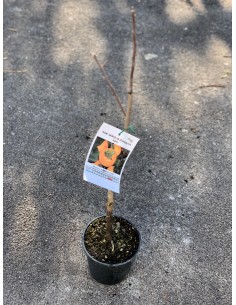
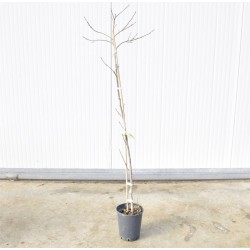
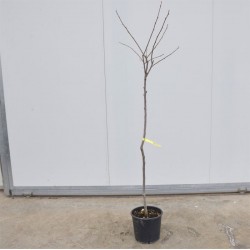
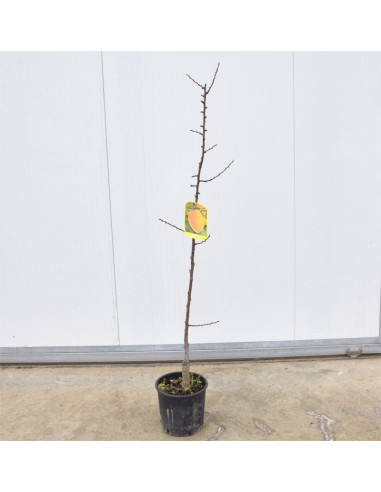
Goldrich apricot tree
Generalies:
Apricot Goldrich is a medium-early or intermediate ripening plant of American origin and obtained in the state of Washington from H. Google. Medium vigorous tree with upright growth habit, medium productivity and non-compatible or partially self-fertile with the need for pollinators such as Bella d'Imola, Portici and Sabbatani. Fruit on bunches of May and toasts. The large or very large fruit, oval-triangular, of an intense orange color without overcolour with high maturation resistance. Orange flesh, high consistency and stands out. Mediocre taste qualities and acid taste, acid peel and poor juiciness.
- Jar 16cm, height 120/160cm
- jar 22cm, height 150/170cm
VALUE PROPOSITION - DESKTOP
INFORMAZIONI
per L'ACQUISTO
10% Sconto BenvenutoIsciviti alla newsletter per ottenere uno sconto del 10% sul primo ordine
Servizio clienti Lun/Ven: 9:00/14:00 | Sab 09:00/12:30WhatsApp: +39 389 48 33 785
Customers who bought this product also bought:
Generalities:
Apricot Goldrich is a cultivar that can count on a high vigor, an average productivity level (which is also quite constant when pruning and pollination are carried out regularly). The fruits are characterized by having an excellent hold on the plant, allowing the production of Goldrich for a rather long period. The flowering of the Goldrich variety begins during the first ten days of March and the harvest, however, takes place during the second decade of June. The variety of Goldrich apricots has an average weight of about 90 grams, with a peel that has a rather fascinating intense orange color: the use of these fruits is intended, in most cases, for fresh consumption. The pulp has an orange color; the gustatory quality is discreet, especially when it reaches an advanced ripening period, even if the acidity level rises slightly in the skin. In most cases, the plantations of the Goldirch apricot variety take place in the plains and hills.
Cultivation and Care :
The Apricot Tree can be grown in the plains as well as in altitude. As for the exposure, it is preferable to place the plant in a partially ventilated and moisture-free area; this serves the prevention of fungal diseases, adversities to which the apricot is unfortunately very subject. It goes without saying that apricot trees, like most fruit and non-fruit trees, are very afraid of water stagnation.For the planting, which can be carried out from October to April, a hole is excavated about 60 cm deep and 80 cm wide; at the bottom of the hole it is advisable to put 100-150 g of cornunghia (a fertilizer of animal origin); then fill the hole halfway with soil mixed with planting soil and possibly a little manure. At this point you can insert the plant and fill the hole with the earth previously excavated. At the end, irrigate the area with about 20 liters of water. It can help to put a guardian on the plant to guide its development. As for irrigation interventions, keep in mind that apricot is not a particularly demanding plant; taking due account of any rainfall, irrigation must be characterized by a certain regularity; avoid plenty of water when we are close to the harvest period. The most suitable irrigation systems for apricot trees are drip or spray irrigation.

16 other products in the same category:
VALUE PROPOSITION - MOBILE
Product Reviews / Q&A
Average rating
-
Reviews (0)
- All reviews (0)
- Excellent (0)
- Good (0)
- Medium (0)
- Poor (0)
- Terrible (0)
-
Questions & Answers (0)
-
Latest
- Latest
- Oldest
- High rating
- Low rating
- Helpful
-
Latest
- Latest
- Oldest
- Helpful
There are no available reviews. Write your review.
There are no available questions. Ask your question.