Shopping Cart

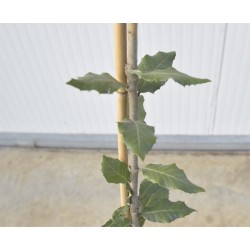
The carob is a fruit tree belonging to the Caesalpiniaceae family and to the Ceratonia genus. It is mainly dioecious (that is, there are plants with only male flowers and trees with only female flowers, rarely having flowers of both sexes on the same plant). It is also called carrubbio. Due to its characteristics it is possible to have flowers, fruits and leaves on the same carob tree at the same time, being evergreen and the ripening of the fruits is very long.
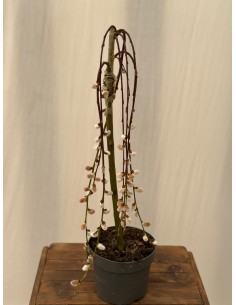
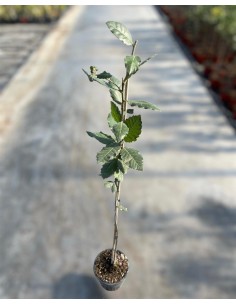
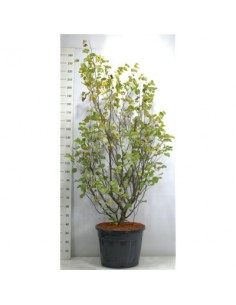
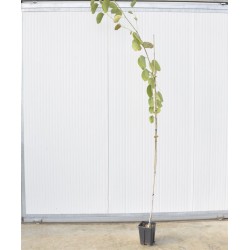
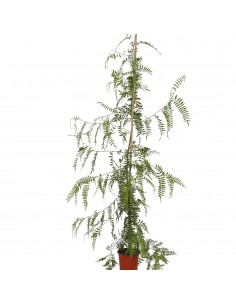
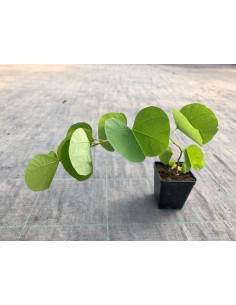
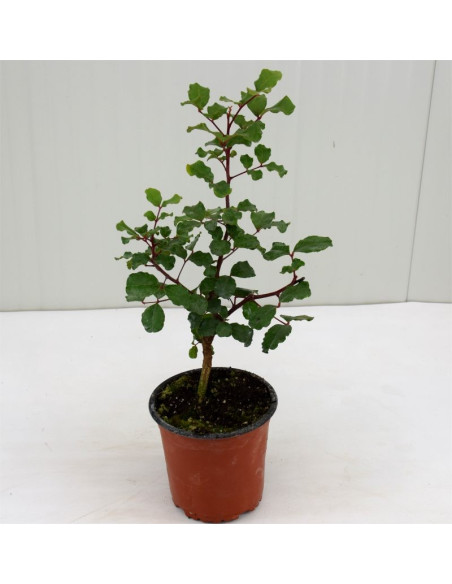
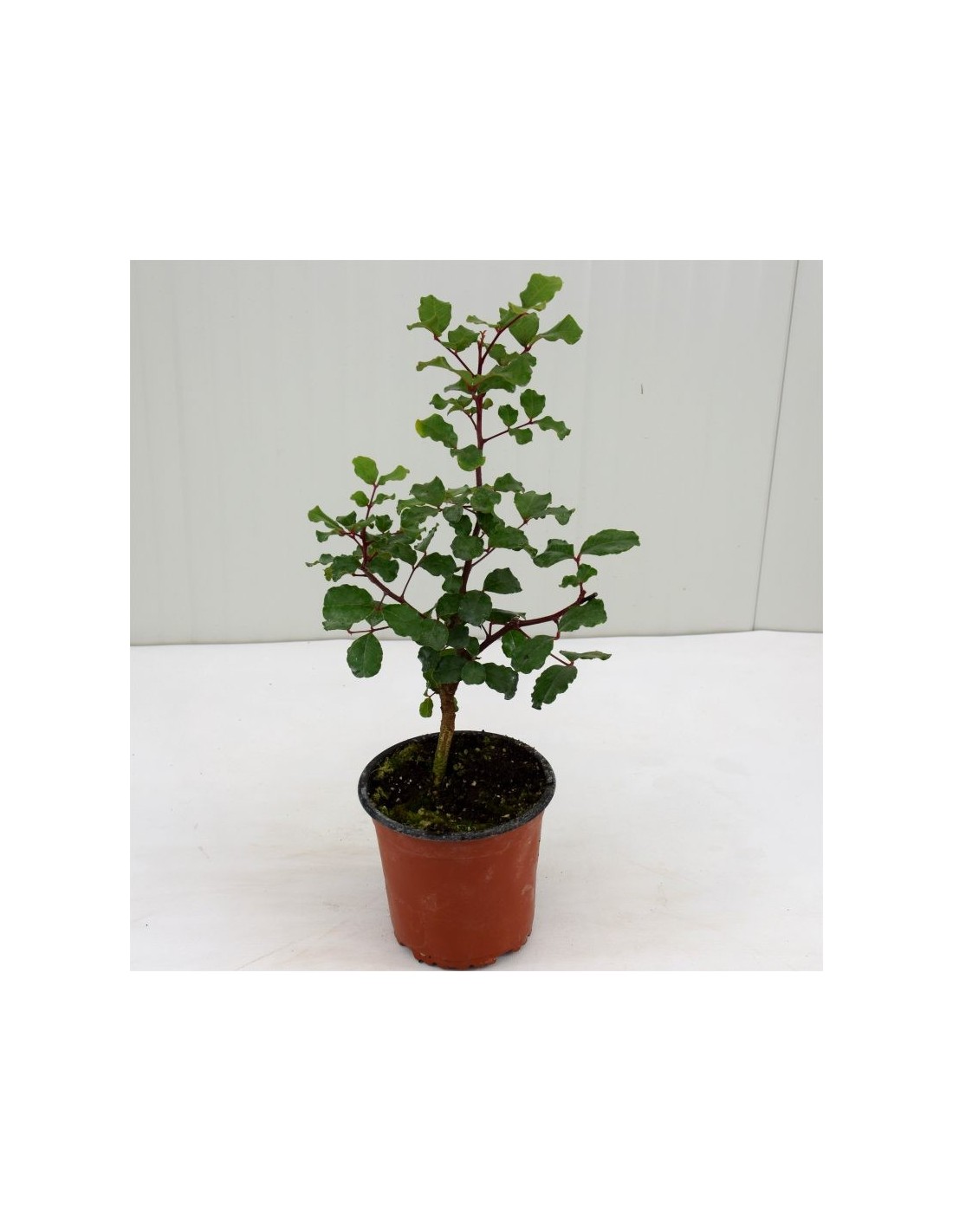
Cercis Tree Online Sale, available in the following formats :
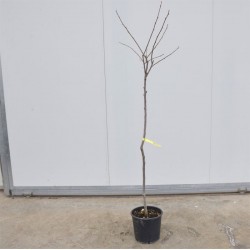
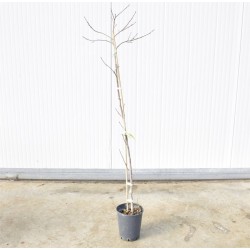
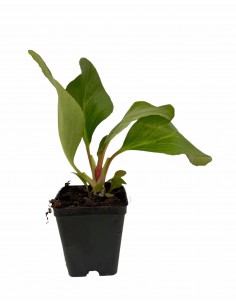
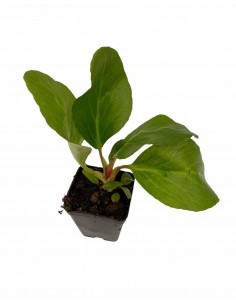




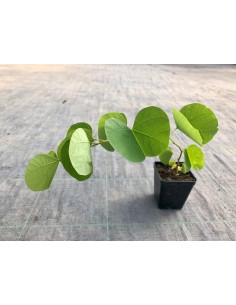
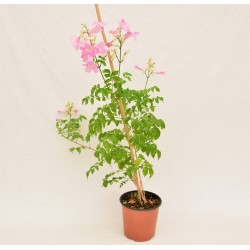
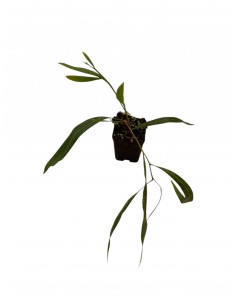
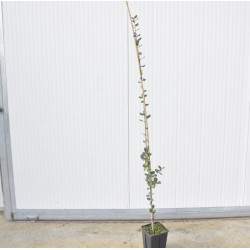
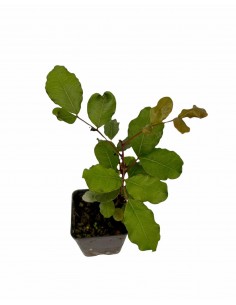
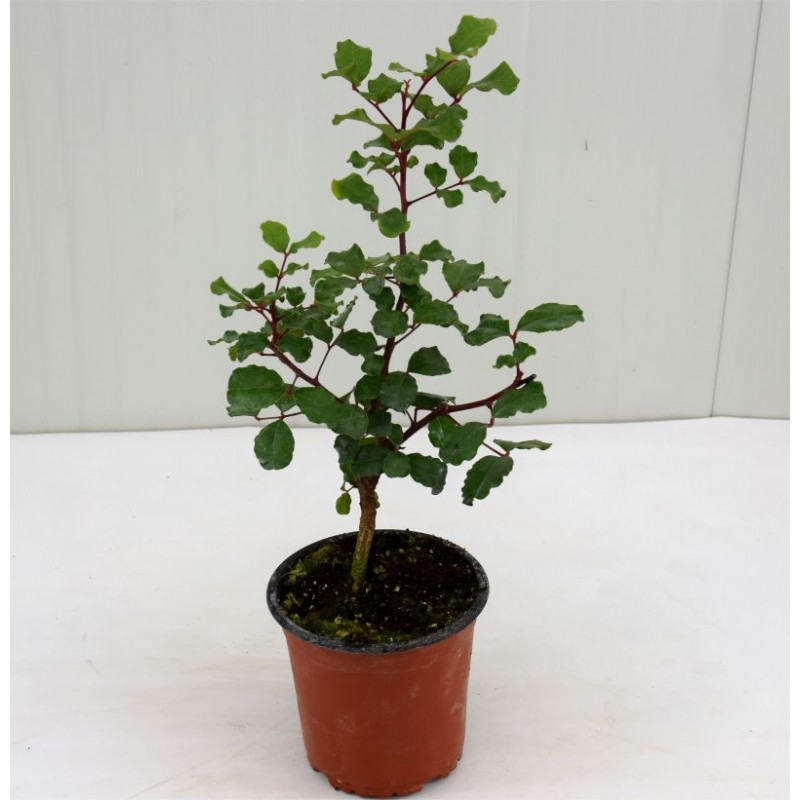
Online Sale Carob Tree, available in the following formats
The carob is a long-lived tree and very resistant to drought. It thrives well in the mild climate of the South and in other areas of Italy it can be grown as an ornamental sapling. The carob is popular for its pod with multiple beneficial properties. The carob is a tree that, when ripe, can have an imposing crown and a very large trunk. It is capable of reaching 10 meters in height. The plant grows very slowly and is very long-lived: it can live for hundreds of years. It is a dioecious tree, meaning the male and female flowers are carried on different plants. In rare cases it is possible to observe a carob tree that bears both flowers on the same plant (hermaphrodite). Pollination occurs thanks to insects and the wind. Since it is a predominantly dioecious tree, fertilization is necessary for the cultivation and production of carobs (fruits). For the fertilization it is necessary to cultivate two carob trees: for the fertilization of the female flowers the presence of pollen from the male flowers is necessary. Those who want to remedy the presence of two plants will have to look for a hermaphrodite tree. How to recognize a "male" carob from a "female" one? The male flowers have a tubular shape and end with an enlargement. On the contrary, the female flowers each carry five erect filaments that end in a sort of flattened cylinder, divided in half by a longitudinal septum. The fruits of this plant are generally called carob. They have an unmistakable shape: they appear as elongated pods, capable of reaching and exceeding 20 cm. The fruits, when ripe, are dark brown in color. They have a rough and hard surface, with a fleshy interior and sweet to the taste. The carobs ripen between August and September of the year following flowering. They contain many hard, round and crushed seeds. The seeds are also dark brown in color. Carobs are very nutritious: rich in carbohydrates and vegetable fibers. They contain a non-negligible percentage of proteins. Among the most abundant micronutrients we point out the presence of different mineral salts and vitamins, especially those of group B, vitamin C and vitamin E.
LThe carob plant is very adaptable in terms of soil and can be grown in different types of soil giving good results. It is much less resistant in terms of temperature and for this reason its cultivation is limited only in areas with mild winters.The type of soil that best suits the carob plant is that of medium texture and rich in organic substance. There are no particular requests regarding the water availability of the soil, the plant still shelters from water stagnation and tolerates long periods of drought well. Suitable exposure for the carob plant is in full sun. As for the temperature requirements, the carob requires warm climates, temperatures during winter should never drop below 5 degrees, otherwise the plant tolerates intense heat without problems