- Stock
-
Plants
Climbing plants
- Piante di Edera
- Piante di Bouganvillea
- Piante di Gelsomino
- Piante di Aristolochia
- Piante di Bignonia
- Piante di Glicine
- Piante di Passiflora
- Piante di Lonicera
- Piante di Pandorea
- Pianta Di Handerbergia
- Piante di Mansoa Allicea
- Piante Di Pereskia
- Piante di Thunbergia
- Piante di Ampelopsis
- Piante Di Solanum Jasminoides
Aromatic plants- Piante Di Menta
- Piante Di Lavanda
- Piante Di Rosmarino
- Piante Di Elicriso
- Piante Di Santolina
- Finocchietto Selvatico
- Piante Di Incenso
- Piante Di Origano
- Piante Di Timo
- Piante Di Maggiorana
- Piante Di Melissa
- Piante Di Goji
- Piante Di Stevia
- Piante Di Salvia
- Piante Di Basilico
- Piante Di Prezzemolo
- Piante Di Rucola Selvatica
- Piante Di Citronella O Lippia Citridora
- Piante Di Fragola
Piante Tappezzanti- Piante di Muehlenbeckia
- Piante di Verbena
- Piante di Drosanthemum
- Piante di Lantana Sellowiana
- Piante di Vinca
- Piante di Ceanothus
- Piante di Cotoneaster
- Piante di Polygonium
- Piante di Lippia
- Piante di Ficus repens
- Piante di Armeria
- Piante di Ajuga
- Pianta di Russelia
- Piante di Ceratostigma
- Piante Di Erigeron
- Piante di Cerastium
Hedge Plants- Pianta Alloro
- Piante di Lauroceraso
- Piante di Photinia
- Piante di Viburno
- Piante di Buxus
- Piante di Eugenia
- Piante di Euonymus
- Piante di Ligustro
- Piante di Pitosforo
- Piante di Crataegus
- Piante di Oleandro
- Piante di Atriplex
- Piante Di Berberis
- Pianta Di Osmanthus
- Pianta Di Philliyrea
- Pianta di Lentisco
- Pianta di Cuoressus
- Pianta Di Myrsine Africana
- Pianta Ortensia
- Pianta di Eleagnus
- Piante Di Solanum Rantonnetii
-
Bush Plants
- Green Plants
- Trees
- Succulent
-
Seeds
Vegetable Seeds
- Semi Di Anguria
- Semi Di Cardo
- Semi Di Carosello
- Semi Di Carota
- Semi Di Cavolo
- Semi Di Cetriolo
- Semi Di Cicoria e Radicchio
- Semi Di Cima Di Rapa
- Semi DI Cipolla
- Semi Di Melanzana
- Semi Di Melone
- Semi Di Peperoncino
- Semi Di Peperone
- Semi Di Bietola
- Semi Di Carciofo
- Semi di Pomodoro
- Semi Di Ravanello
- Semi Di Scarola
- Semi Di Zucchina
- Semi Di Zucca
- Carnivorous
- Bonsai
- Marriage
- Seasonal Plants
Brachychiton plant
Generalities:
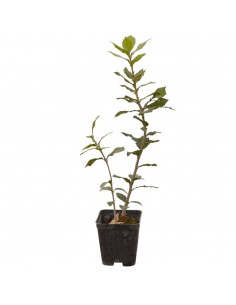
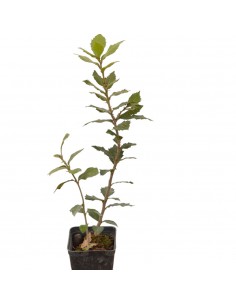
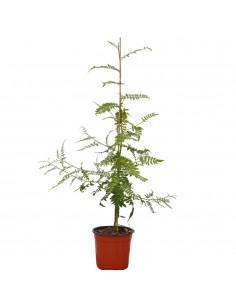
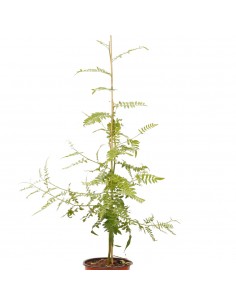
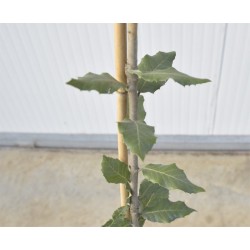
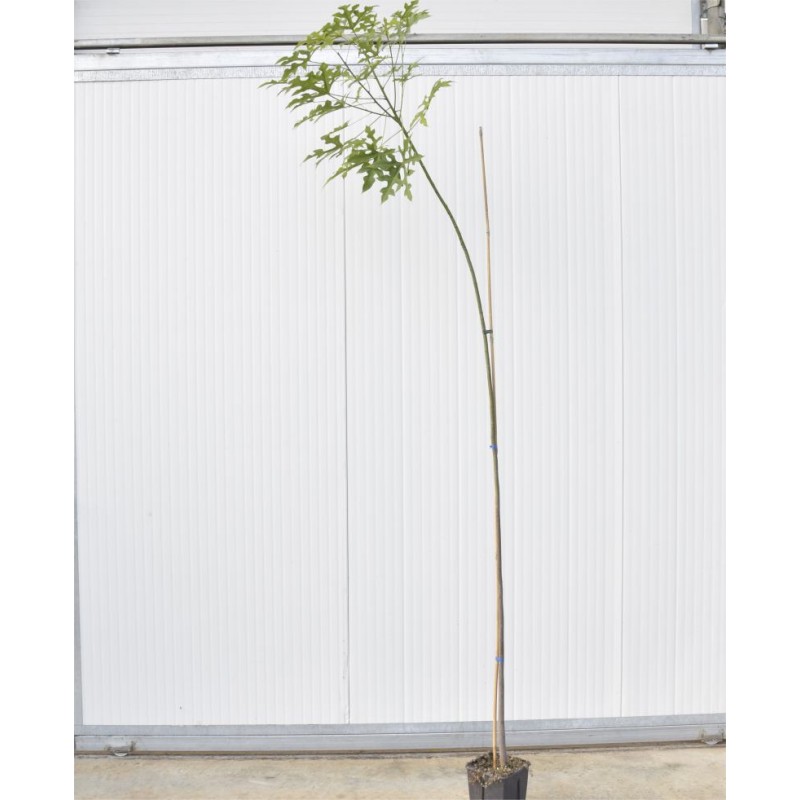
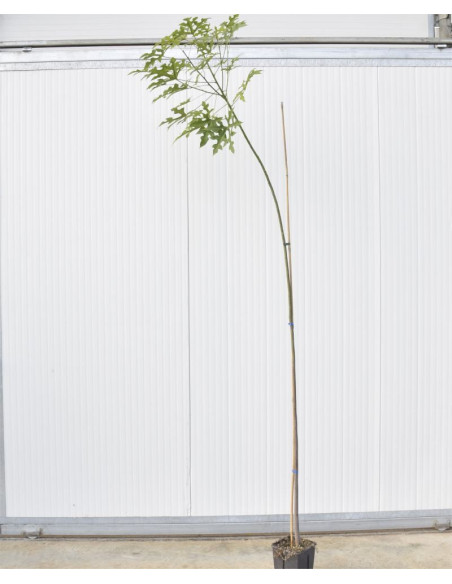
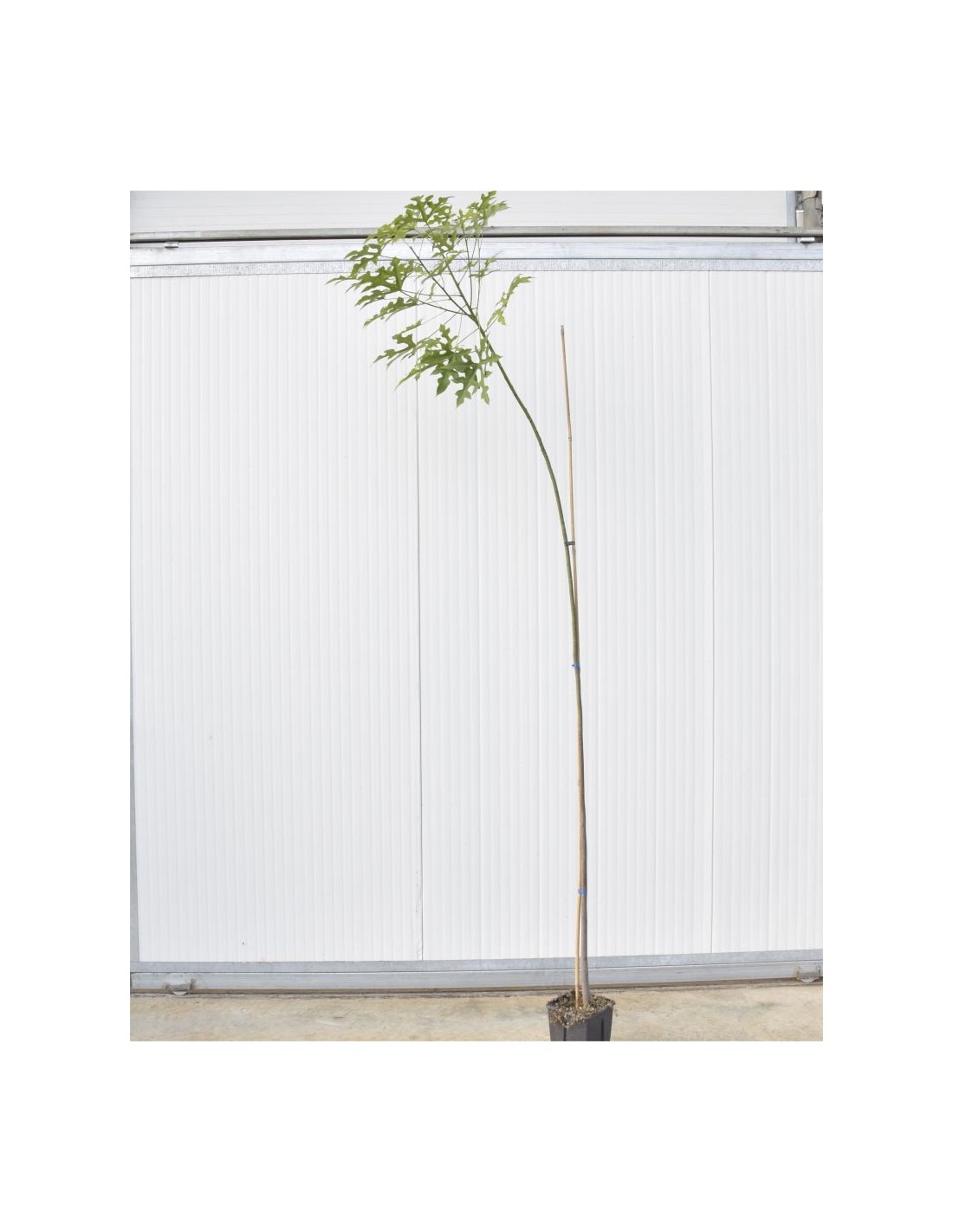
Brachychiton Acerifolius is a large tree with an upright habit, which widens with age, with semi-persistent foliage, with large glossy green leaves above, from 10 to 20 cm., With 3 or 5 lobes. Sometimes we also find simple leaves, all on the same tree. It reaches a height ranging from 8 to 12 m., While the diameter from 5 to 7 m. and more in its country of origin: Australia. In July, before the new leaves, a magnificent vermilion red bloom emerges, with small 2 cm flowers. about, gathered in large falling panicles.
Online sale Brachychiton tree, available in the following formats:
- jar 15Ccm; h. 160/180cm
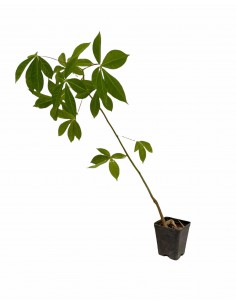
- jar 7cm, h.15-25cm
VALUE PROPOSITION - DESKTOP
INFORMAZIONI
per L'ACQUISTO
10% Sconto BenvenutoIsciviti alla newsletter per ottenere uno sconto del 10% sul primo ordine
Servizio clienti Lun/Ven: 9:00/14:00 | Sab 09:00/12:30WhatsApp: +39 389 48 33 785
Customers who bought this product also bought:
Generalities:
The Brachychiton is a genus that includes 20-30 species of shrubs or trees native to Australia, which in optimal conditions can reach 20-30 meters in height, even if they usually keep within smaller dimensions between 10 and 15 m. They have a sinuous trunk, which tends to widen at the base, with wide and disordered foliage, usually pyramidal in shape. The leaves are large, bright green, glossy, with whole margins or deeply lobed. Brachychiton Populneus produces greenish flowers, gathered in panicles. Brachychiton acerifolius, or bottle tree, is highly prized for its showy red-purple spring flowering. Brachychiton rupestris is the most hardy and hardy, slow-growing species. The flowers are replaced by fruits: large semi-woody capsules, inside which there are large seeds. Some species are small in size and fear the cold and are grown as houseplant.
Cultivation and Care:
Brachychiton acerifolius, better known as the bottle or flame tree, prefers very sunny locations. The adult specimens of this genus of trees do not fear the cold, but the young plants must be sheltered in winter, to prevent the frost from ruining them. If they are placed in the ground, it is possible to intervene with some agritessuto to cover the foliar apparatus and mulch material or dry leaves, to repair the root system from the consequences of the harsh climate.
The Brachychiton acerifolius, or flame or bottle tree, does not need large quantities of water, for this reason it is advisable to water sporadically providing large quantities of water, to favor a correct development of the roots.
When planting and then every autumn, bury the well-mature fertilizer at the foot of the plant, then water abundantly, so as to provide all the nourishment necessary for a better development. Check that there are no stagnations of water at the base of the plant that could cause the onset of root rot. Brachychiton acerifolius plants love rich, loose, very well drained soil, possibly with an acid pH.

16 other products in the same category:
VALUE PROPOSITION - MOBILE
Product Reviews / Q&A
Average rating
-
Reviews (0)
- All reviews (0)
- Excellent (0)
- Good (0)
- Medium (0)
- Poor (0)
- Terrible (0)
-
Questions & Answers (0)
-
Latest
- Latest
- Oldest
- High rating
- Low rating
- Helpful
-
Latest
- Latest
- Oldest
- Helpful
There are no available reviews. Write your review.
There are no available questions. Ask your question.