Shopping Cart

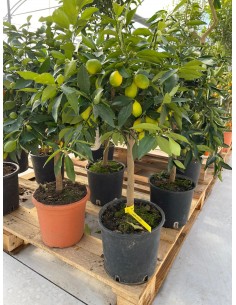
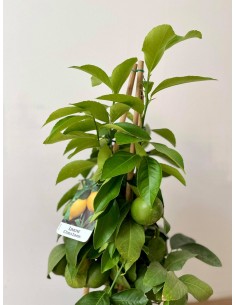
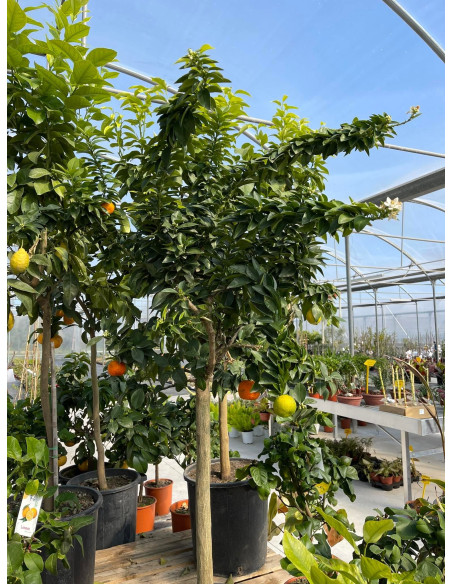
Bergamot is a citrus fruit with a yellow peel derived from lemon or bitter orange. In appearance, the bergamot fruit resembles grapefruit, but is a little smaller and has a more intense color. Even today the cultivation of bergamot takes place in Calabria especially in the coastal strip. Bergamot is a seasonal fruit, it is eaten as a fresh fruit from October-November until March.


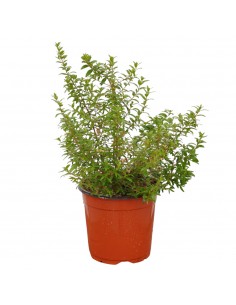
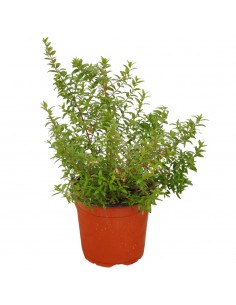


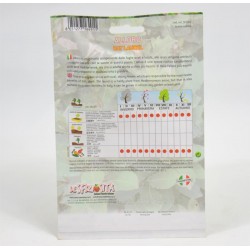

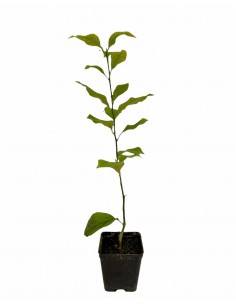
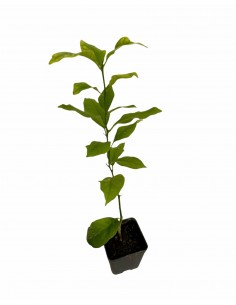
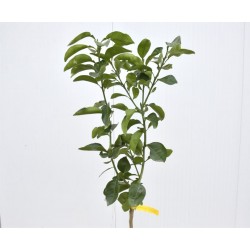
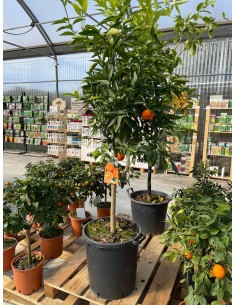
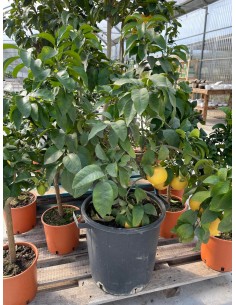
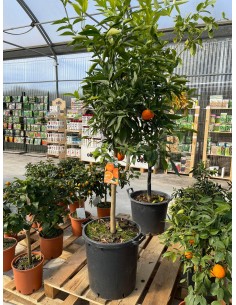
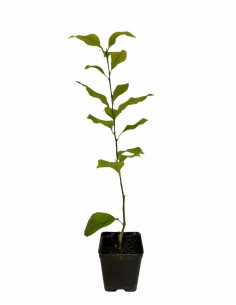
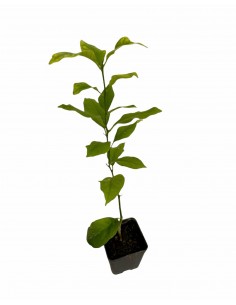
On-line Sale Of the Bergamot tree, available in the following sizes:
Bergamot is a fruit rich in vitamins. Contains vitamin A, vitamin C and B vitamins and is an important source of flavonoids. The experts gave healthy volunteers between the ages of 18 and 65 250 ml of bergamot and apple juice for 15 days. They observed that consuming bergamot and apple juice accompanied by a healthy lifestyle and an adequate diet led to a 21% reduction in cardiovascular risk. It was a prospective experimental study that could find new confirmations in the future. The benefits of bergamot juice are linked to the extraordinary richness of this fruit in polyphenols, antioxidant substances that help our body to stay fit and healthy. The administration of bergamot in the form of juice or squeezed takes place precisely for therapeutic uses. Bergamot and its juice have energizing and invigorating properties. In particular, bergamot juice contains active ingredients that help reduce cholesterol. If you have been prescribed any cholesterol-lowering medications before you think you can use bergamot juice to replace them, consult your doctor to see if bergamot juice could help you as a natural remedy. Bergamot does not have a very pleasant taste so it is not consumed so much as a fresh fruit, but in the form of juice, perhaps in combination with other sweeter fruits. The fruit of the bergamot is used, from a food point of view, above all for the production of fruit juices and jams. It can also be cut into wedges to put a slice in tea, as is done with lemon. Candied fruit are also prepared with bergamot. Bergamot juice has a bitter taste just like the fruit but at the same time it is considered very precious due to its richness in polyphenols. This juice also has a high content of citric acid and has often been used to make this substance, but bergamot's main uses go beyond food. In fact, bergamot is mainly used for the production of essential oils. Bergamot essential oil is produced from the peel of this fruit but also from the twigs, leaves and flowers of this plant.
Bergamot is a plant that loves temperate-warm climates and not excessively rainy in the autumn and winter seasons. The ideal temperature range is the one that goes from about 13 to 30 ° C and is very afraid of temperatures that drop below 3 ° C. As in the case of all citrus fruits, even orange plants have as their ideal soil a loose or medium-textured soil, well draining, deep, fertile and properly fertilized. The ideal soil pH should range between 6.5 and 7.5. Clayey soils, calcareous ones and those characterized by a high alkalinity do not lend themselves to the cultivation of orange. Pruning of orange trees can take place a couple of times a year; once in summer (late June-early July) and once in winter, during vegetative rest. We will proceed by lightening the foliage of the plant by eliminating the broken branches, the dry ones, those that have already bloomed and those bent downwards. The oranges are harvested at different times depending on the variety; in any case, it is concentrated in the period from mid-October to the end of May. It is advisable to harvest on a non-rainy day and late in the morning. In order not to damage the oranges, it is advisable to remove them from the twigs using special scissors. Once harvested, the oranges should be dried and placed in wooden or plastic crates which will be stored in a cool and dry place. After harvesting, the orange plant will be fertilized using an organic-mineral fertilizer.