- Stock
-
Plants
Climbing plants
- Piante di Edera
- Piante di Bouganvillea
- Piante di Gelsomino
- Piante di Aristolochia
- Piante di Bignonia
- Piante di Glicine
- Piante di Passiflora
- Piante di Lonicera
- Piante di Pandorea
- Pianta Di Handerbergia
- Piante di Mansoa Allicea
- Piante Di Pereskia
- Piante di Thunbergia
- Piante di Ampelopsis
- Piante Di Solanum Jasminoides
Aromatic plants- Piante Di Menta
- Piante Di Lavanda
- Piante Di Rosmarino
- Piante Di Elicriso
- Piante Di Santolina
- Finocchietto Selvatico
- Piante Di Incenso
- Piante Di Origano
- Piante Di Timo
- Piante Di Maggiorana
- Piante Di Melissa
- Piante Di Goji
- Piante Di Stevia
- Piante Di Salvia
- Piante Di Basilico
- Piante Di Prezzemolo
- Piante Di Rucola Selvatica
- Piante Di Citronella O Lippia Citridora
- Piante Di Fragola
Piante Tappezzanti- Piante di Muehlenbeckia
- Piante di Verbena
- Piante di Drosanthemum
- Piante di Lantana Sellowiana
- Piante di Vinca
- Piante di Ceanothus
- Piante di Cotoneaster
- Piante di Polygonium
- Piante di Lippia
- Piante di Ficus repens
- Piante di Armeria
- Piante di Ajuga
- Pianta di Russelia
- Piante di Ceratostigma
- Piante Di Erigeron
- Piante di Cerastium
Hedge Plants- Pianta Alloro
- Piante di Lauroceraso
- Piante di Photinia
- Piante di Viburno
- Piante di Buxus
- Piante di Eugenia
- Piante di Euonymus
- Piante di Ligustro
- Piante di Pitosforo
- Piante di Crataegus
- Piante di Oleandro
- Piante di Atriplex
- Piante Di Berberis
- Pianta Di Osmanthus
- Pianta Di Philliyrea
- Pianta di Lentisco
- Pianta di Cuoressus
- Pianta Di Myrsine Africana
- Pianta Ortensia
- Pianta di Eleagnus
- Piante Di Solanum Rantonnetii
-
Bush Plants
- Green Plants
- Trees
- Succulent
-
Seeds
Vegetable Seeds
- Semi Di Anguria
- Semi Di Cardo
- Semi Di Carosello
- Semi Di Carota
- Semi Di Cavolo
- Semi Di Cetriolo
- Semi Di Cicoria e Radicchio
- Semi Di Cima Di Rapa
- Semi DI Cipolla
- Semi Di Melanzana
- Semi Di Melone
- Semi Di Peperoncino
- Semi Di Peperone
- Semi Di Bietola
- Semi Di Carciofo
- Semi di Pomodoro
- Semi Di Ravanello
- Semi Di Scarola
- Semi Di Zucchina
- Semi Di Zucca
- Carnivorous
- Bonsai
- Marriage
- Seasonal Plants
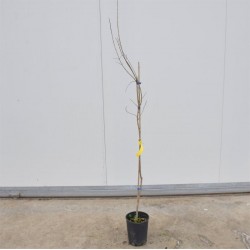
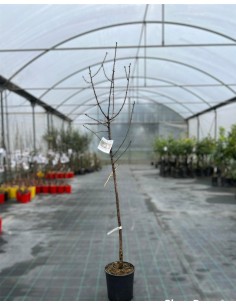
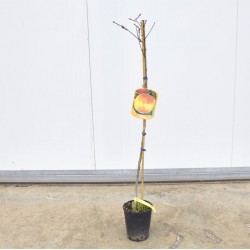
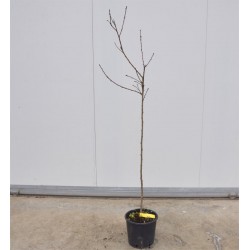
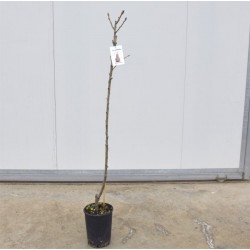
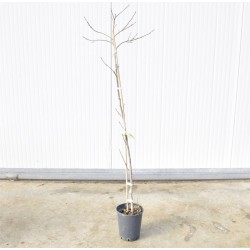
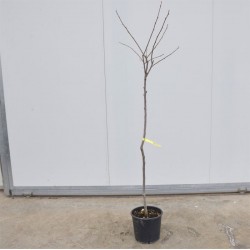
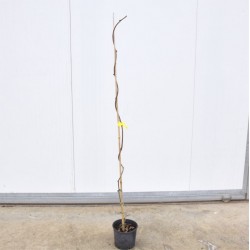
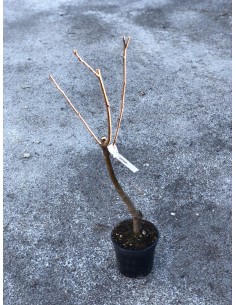
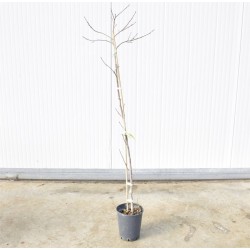
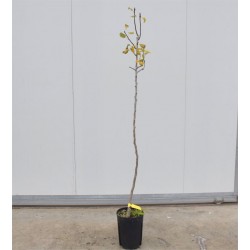
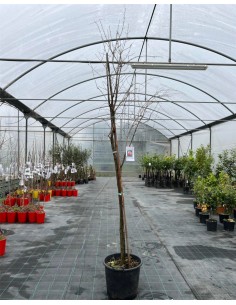
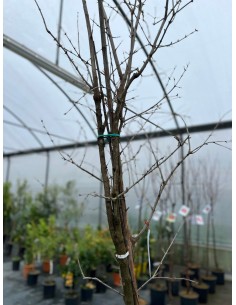
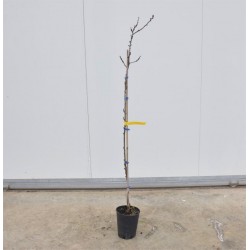
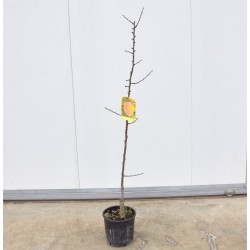
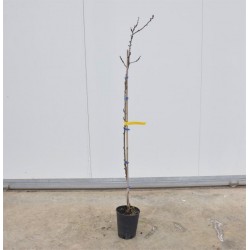
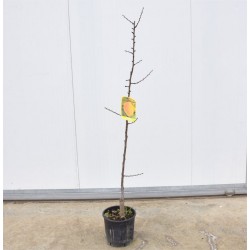
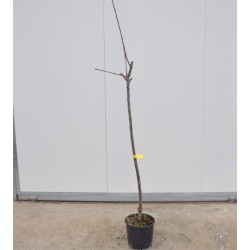
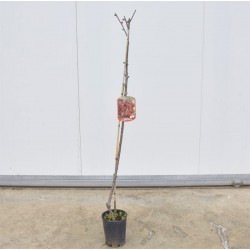
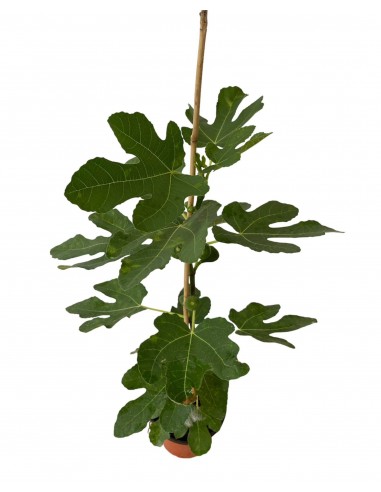
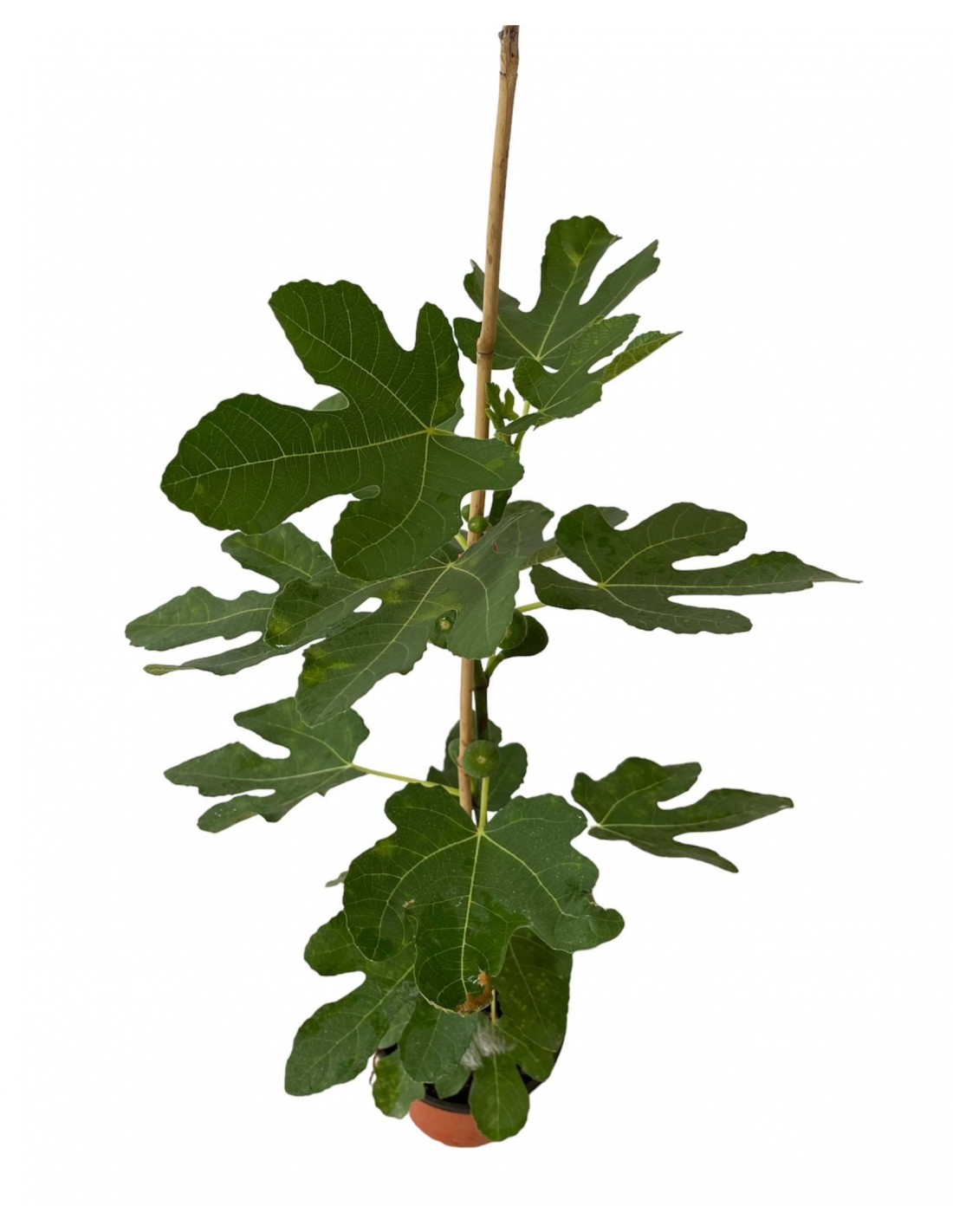
copy of Fig tree
Generalities :
The common fig is a fruit tree of temperate subtropical climates belonging to the Moraceae family and to the genus ficus, which represents its most northern species; produces the fruit called fig. What is commonly believed to be the fruit is actually a large fleshy, pyriform infructescence, rich in sugars when ripe, called syconium varying in color from green to reddish to bluish-purplish, hollow, within which unisex flowers are enclosed , very small.
- jar 16cm, height 120/160cm
- jar 22cm, height 150/170cm
VALUE PROPOSITION - DESKTOP
INFORMAZIONI
per L'ACQUISTO
10% Sconto BenvenutoIsciviti alla newsletter per ottenere uno sconto del 10% sul primo ordine
Servizio clienti Lun/Ven: 9:00/14:00 | Sab 09:00/12:30WhatsApp: +39 389 48 33 785
Customers who bought this product also bought:
Generalities :
The fig is one of the most common fruit trees in domestic orchards, especially in the regions of Southern Italy. It is a tree with an ancient tradition, in fact it is believed to have been one of the first domesticated and cultivated by man. It is a plant capable of giving great satisfaction in production terms, already a few years after the plant. Furthermore, being very long-lived, its production will last for a long time. Its fruits ripen at the end of the summer and are ideal for fresh consumption. In any case, it is also possible to prepare tasty preserves such as dried fig spreaders, to be consumed with confidence in the winter period.The leaves are arranged on the branches alternately. They are thick and consistent, wide and long up to 25-30 cm. Their surface is palmate-lobed. The flower buds are inserted in the axil of the leaves which, by opening, give rise to an inflorescence, called syconium. Hence the fruit. Figs are very particular, formed by fleshy sugar-rich receptacles, which with their peel cover and protect the real fruits, that is the seeds (or achenes). These are found immersed in a very sweet pulp.
Cultivation and Care:
The fig can be grown on a wide range of soils including sand, potting soil, bricks or limestone, provided it is deep enough for drainage. It is essential to pay close attention to the management of soil moisture: most of the roots are located close to the surface and are difficult to dry. It is also important to keep the acidity of the soil under control: a pH higher than 6.5 could compromise its luxuriance. As soon as planted, trees should be kept well watered until the plant has completely stabilized. It is advisable, then, to place it away from the sun and it is essential to pay particular attention to containing the roots without letting them spread freely to improve the water intake, especially during torrid periods. The figs are ready for harvest when the fruit breaks on the stem and the outer skin is well colored, so for a higher quality harvest it is necessary to wait for the fruits to fully ripen on the plant.

16 other products in the same category:
VALUE PROPOSITION - MOBILE
Product Reviews / Q&A
Average rating
-
Reviews (0)
- All reviews (0)
- Has image/video (0)
- Excellent (0)
- Good (0)
- Medium (0)
- Poor (0)
- Terrible (0)
-
Questions & Answers (0)
-
Latest
- Latest
- Oldest
- High rating
- Low rating
- Helpful
-
Latest
- Latest
- Oldest
- Helpful
There are no available reviews. Write your review.
There are no available questions. Ask your question.