- Stock
-
Plants
Climbing plants
- Piante di Edera
- Piante di Bouganvillea
- Piante di Gelsomino
- Piante di Aristolochia
- Piante di Bignonia
- Piante di Glicine
- Piante di Passiflora
- Piante di Lonicera
- Piante di Pandorea
- Pianta Di Handerbergia
- Piante di Mansoa Allicea
- Piante Di Pereskia
- Piante di Thunbergia
- Piante di Ampelopsis
- Piante Di Solanum Jasminoides
Aromatic plants- Piante Di Menta
- Piante Di Lavanda
- Piante Di Rosmarino
- Piante Di Elicriso
- Piante Di Santolina
- Finocchietto Selvatico
- Piante Di Incenso
- Piante Di Origano
- Piante Di Timo
- Piante Di Maggiorana
- Piante Di Melissa
- Piante Di Goji
- Piante Di Stevia
- Piante Di Salvia
- Piante Di Basilico
- Piante Di Prezzemolo
- Piante Di Rucola Selvatica
- Piante Di Citronella O Lippia Citridora
- Piante Di Fragola
Piante Tappezzanti- Piante di Muehlenbeckia
- Piante di Verbena
- Piante di Drosanthemum
- Piante di Lantana Sellowiana
- Piante di Vinca
- Piante di Ceanothus
- Piante di Cotoneaster
- Piante di Polygonium
- Piante di Lippia
- Piante di Ficus repens
- Piante di Armeria
- Piante di Ajuga
- Pianta di Russelia
- Piante di Ceratostigma
- Piante Di Erigeron
- Piante di Cerastium
Hedge Plants- Pianta Alloro
- Piante di Lauroceraso
- Piante di Photinia
- Piante di Viburno
- Piante di Buxus
- Piante di Eugenia
- Piante di Euonymus
- Piante di Ligustro
- Piante di Pitosforo
- Piante di Crataegus
- Piante di Oleandro
- Piante di Atriplex
- Piante Di Berberis
- Pianta Di Osmanthus
- Pianta Di Philliyrea
- Pianta di Lentisco
- Pianta di Cuoressus
- Pianta Di Myrsine Africana
- Pianta Ortensia
- Pianta di Eleagnus
- Piante Di Solanum Rantonnetii
-
Bush Plants
- Green Plants
- Trees
- Succulent
-
Seeds
Vegetable Seeds
- Semi Di Anguria
- Semi Di Cardo
- Semi Di Carosello
- Semi Di Carota
- Semi Di Cavolo
- Semi Di Cetriolo
- Semi Di Cicoria e Radicchio
- Semi Di Cima Di Rapa
- Semi DI Cipolla
- Semi Di Melanzana
- Semi Di Melone
- Semi Di Peperoncino
- Semi Di Peperone
- Semi Di Bietola
- Semi Di Carciofo
- Semi di Pomodoro
- Semi Di Ravanello
- Semi Di Scarola
- Semi Di Zucchina
- Semi Di Zucca
- Carnivorous
- Bonsai
- Marriage
- Seasonal Plants
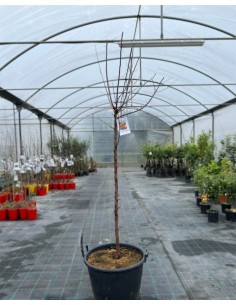
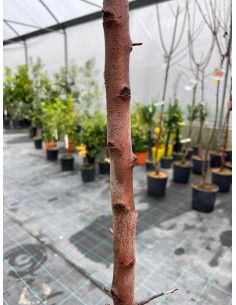
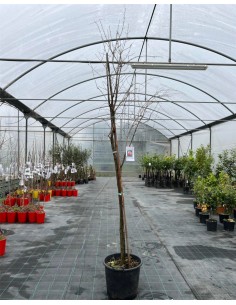
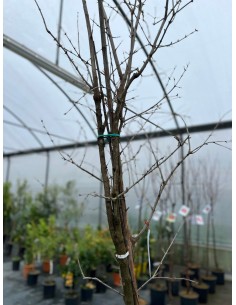
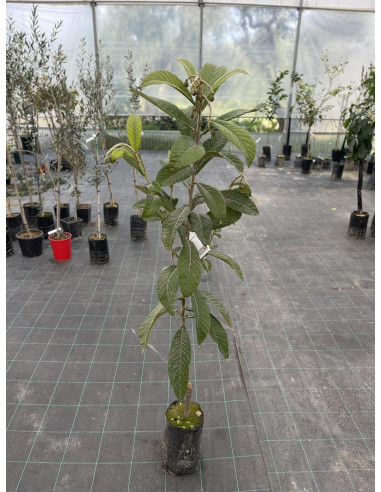
Japanese Loquat Tree
Generalities:
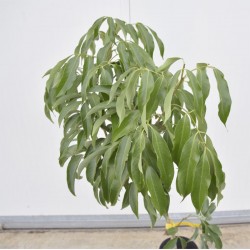
The Japanese medlar is a tree much loved both for its sweet fruits and for its ornamental qualities. This plant of clear oriental origins has been cultivated in our country for over two centuries. It should not be confused with the common medlar, a plant native to Mediterranean Europe and naturalized in our continent since time immemorial. The botanical characteristics of the Japanese medlar are very particular. For example, it has a very late flowering, in the middle of autumn, which is very appreciated by bees. To produce its fruits, medlars, however, it needs particular climatic conditions and cultivation precautions.
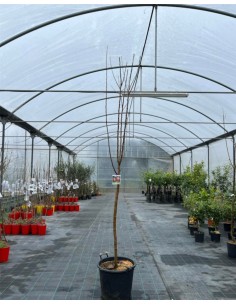
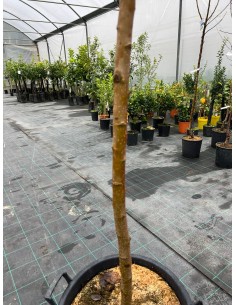
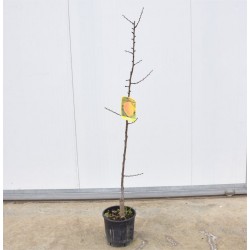
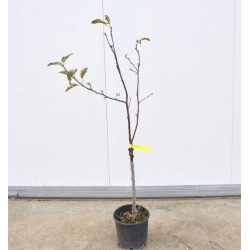
- jar 22cm, height 150/170cm
VALUE PROPOSITION - DESKTOP
INFORMAZIONI
per L'ACQUISTO
10% Sconto BenvenutoIsciviti alla newsletter per ottenere uno sconto del 10% sul primo ordine
Servizio clienti Lun/Ven: 9:00/14:00 | Sab 09:00/12:30WhatsApp: +39 389 48 33 785
Customers who bought this product also bought:
Generalities:
Loquat (Eriobotrya japonica Lindl.) Is a plant native to eastern China, where it is still cultivated, as well as in Japan, in temperate-warm areas; widespread in the United States and in the Mediterranean area mainly for ornamental purposes, while cultivation takes place in Spain, Valencia, Italy, the province of Palermo and a little in Calabria. It belongs to the Rosaceae family, subfamily Pomoidee, but the genus is Eriobotrya, japonica species. It is an evergreen plant, with large tormenting leaves on the lower pages, superficial root system. Flowering goes from November to February, with pentamer flowers and with 20 stamens and 5 pistils, the number of which varies from 200 to 600, with the selection, flowers that are gathered in panicles. The fruits are tomatoes, with 1-5 seeds gathered in the center, generally small (average weight 30-55 g, the varieties with a higher weight are rare), round, elliptical, egg-shaped or pear-shaped; the color of the peel goes from pale yellow to bright orange; the color of the pulp goes from white to orange, including different shades of yellow. The seeds are large with brown integument.
Cultivation and Care :
The cultivation of the medlar of Japan can take place on different types of soil. For those who want to plant a single specimen, any soil that has medium fertility may be fine, in fact, the plant also tolerates relatively poor substrates. However, if you want to obtain a good quantity of crops, it is still good to evaluate the choice of a soil that is on average rich in organic matter and that fully responds to the needs of the plant. This applies even more to loquats. The ideal soil should have a pH between 7-8 therefore either neutral or slightly basic. The cultivation substrate must necessarily be well drained, avoid too compact soils that can facilitate the stagnation of the water. The suitable exposure for the Loquat is in full sun.

16 other products in the same category:
Offer 4 Pistachio Trees of 2 Years (3 Females, 1 Male)General Pistachio Tree
VALUE PROPOSITION - MOBILE
Product Reviews / Q&A
Average rating
-
Reviews (0)
- All reviews (0)
- Has image/video (0)
- Excellent (0)
- Good (0)
- Medium (0)
- Poor (0)
- Terrible (0)
-
Questions & Answers (0)
-
Latest
- Latest
- Oldest
- High rating
- Low rating
- Helpful
-
Latest
- Latest
- Oldest
- Helpful
There are no available reviews. Write your review.
There are no available questions. Ask your question.