Carrello

Vivaio online specializzato nella vendita di piante mediterranee, piante da giardino, piante stagionali, succulente e idee green per matrimoni. Qualità vivaistica e produzione diretta.




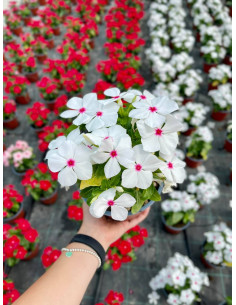
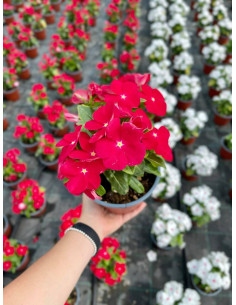





























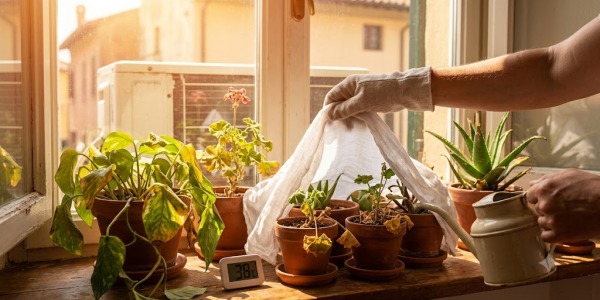
Le temperature superano i 35 gradi? Anche le piante vanno in tilt per lo stress termico! Qui in Puglia sappiamo bene cosa significa il sole che picchia forte. Per non ritrovarti con foglie bruciate e radici cotte, bastano 3 regole d'oro: sposta i vasi all'ombra nelle ore centrali, innaffia solo all'alba o al tramonto e usa la pacciamatura per tenere fresca la terra. Vuoi i dettagli per non farle seccare? Leggi l'articolo completo! 👇
Read more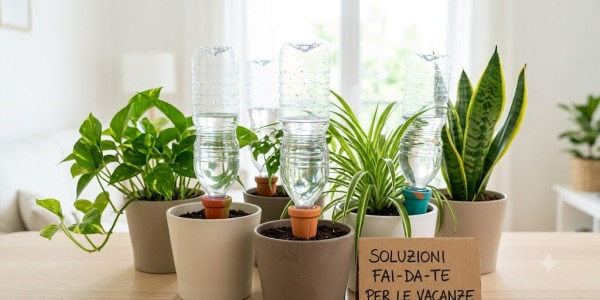
Le valigie sono pronte, ma chi pensa al tuo angolo verde mentre sei via? Non devi per forza stressare i vicini o i parenti. Esistono trucchi semplicissimi per garantire la giusta idratazione alle tue piante anche quando sei in spiaggia: 💧 Bottiglie con beccuccio dosatore 💧 Il trucco dei vasi comunicanti con il filo di cotone 💧 L'acqua in gel a lento rilascio 💧 Sistemi a goccia fai-da-te Parti senza pensieri! Scopri nel nostro nuovo articolo quale metodo si adatta meglio alle tue esigenze. 👇
Read more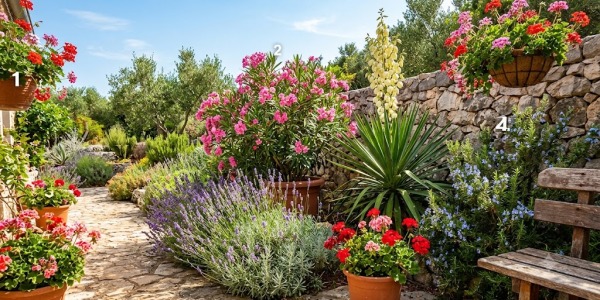
Il sole picchia forte e ti brucia sempre tutto? Coltivando le nostre varietà, sappiamo benissimo cosa significa il vero caldo estivo. Per avere un balcone colorato servono piante toste. Ecco le nostre 5 guerriere invincibili che amano il sole diretto: 🌸 Bougainvillea: cascate di fiori inarrestabili. 🌿 Oleandro: resiste a tutto, anche alla siccità estrema. 🌺 Lantana: cambia colore e fiorisce fino all'autunno. 💜 Lavanda: profumatissima e scaccia-zanzare. ☀️ Portulaca: la piantina ricadente che si apre solo col sole. Zero stress, massima resa. Metti nel carrello le tue preferite e preparati a un'esplosione di colori! 👇
Read more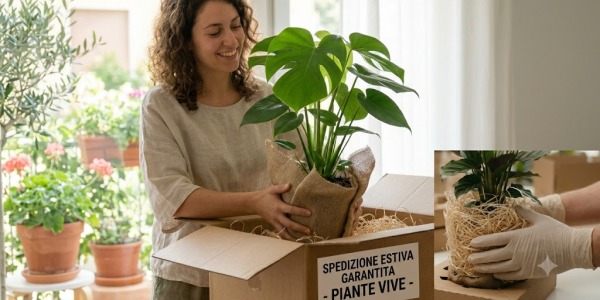
Hai adocchiato la tua pianta dei sogni ma le temperature estive ti frenano? Ti capiamo: il caldo e i viaggi in furgone spaventano tutti i Plant Lover. Ma la risposta è: sì, le piante arrivano sanissime! Non lasciamo nulla al caso. In estate adottiamo misure speciali: 💧 Idratazione pre-partenza: Bevono il giusto prima di viaggiare. 📦 Imballaggio anti-shock e traspirante: Trattiene l'umidità ma fa circolare l'aria. 🚀 Spedizioni intelligenti: Spediamo solo a inizio settimana per evitare che le piante passino il weekend ferme nei magazzini dei corrieri. Non rinunciare alla tua giungla urbana. Scegli le tue preferite, al viaggio in prima classe ci pensiamo noi! 👇
Read more
Molti amanti del giardinaggio temono l’arrivo del freddo, pensando che le basse temperature possano rovinare le loro piante. In realtà, esistono numerose specie vegetali che resistono bene al gelo e continuano a vivere rigogliose anche durante l’inverno. Conoscere queste piante ti permetterà di avere un giardino o un balcone verde tutto l’anno, senza preoccupazioni.
Read more
Le piante da interno rendono gli ambienti più accoglienti e migliorano la qualità dell’aria, ma possono ammalarsi se non ricevono le giuste cure. Riconoscere i sintomi, intervenire tempestivamente e prevenire i problemi è fondamentale per mantenerle sane e rigogliose. In questa guida ti spiego le malattie più comuni delle piante da interno e come curarle efficacemente.
Read more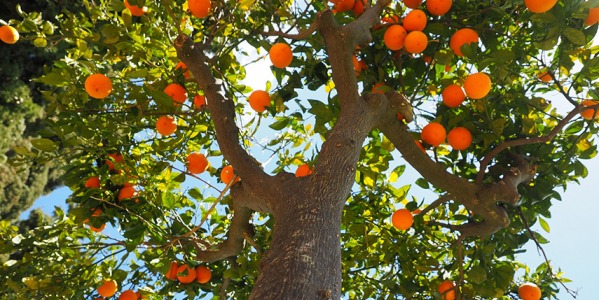
Gli agrumi sono tra le piante da frutto più amate per il loro profumo, i colori vivaci e, naturalmente, per i frutti succosi. Tuttavia, molti appassionati di giardinaggio si trovano di fronte a un problema comune: la pianta cresce sana ma non fruttifica. Se vuoi scoprire come stimolare i tuoi agrumi a produrre frutti, ecco una guida completa con consigli pratici e facilmente applicabili.
Read more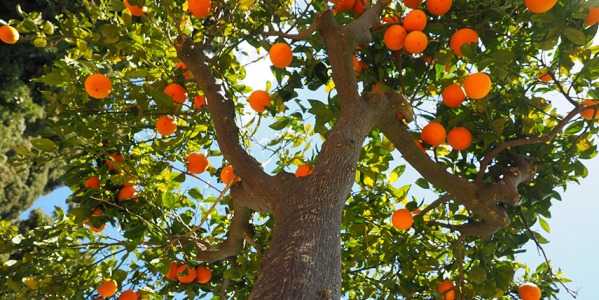
Gli agrumi non sono solo belli da vedere e profumati, ma offrono anche frutti deliziosi direttamente dal tuo giardino o balcone. Alcune varietà sono particolarmente facili da coltivare, richiedono poche cure e si adattano bene anche a spazi piccoli o vaso. In questo articolo scoprirai quali sono gli alberi di agrumi più semplici da coltivare e i consigli pratici per farli crescere rigogliosi e produttivi.
Read more